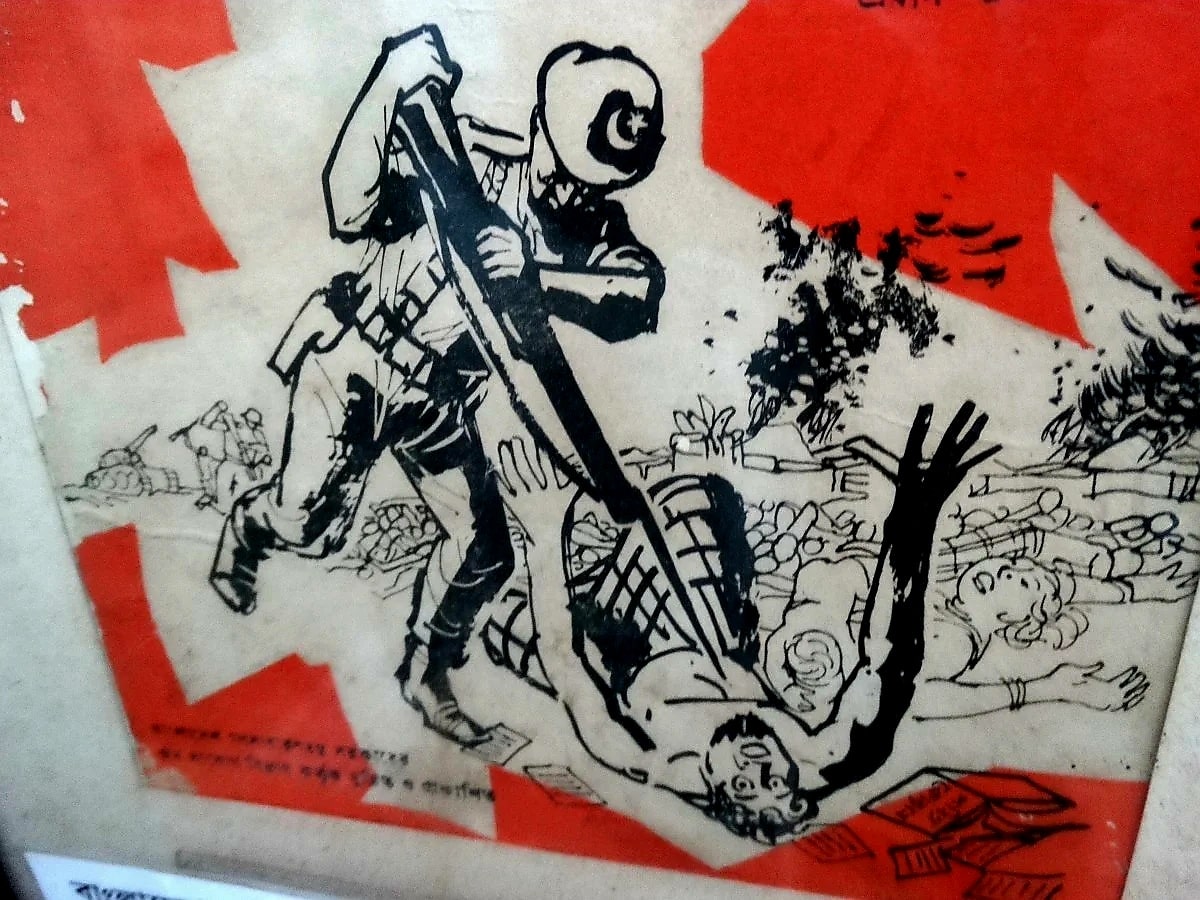
A United States lawmaker has introduced a resolution in Congress seeking formal recognition of the atrocities committed against Bengali Hindus during the 1971 conflict in Bangladesh as genocide. The resolution, moved in the House of Representatives, has been referred to the Committee on Foreign Affairs for further consideration.
The proposal focuses on the events of March 25, 1971, when the Pakistani military launched a large-scale crackdown in East Pakistan, now Bangladesh. The operation, widely known as Operation Searchlight, followed the arrest of independence leader Sheikh Mujibur Rahman and marked the beginning of widespread violence across the region.
According to the resolution, the military campaign and associated groups carried out systematic attacks on civilians, including targeted violence against Bengali Hindus. These actions reportedly involved mass killings, sexual violence, forced displacement, and other serious human rights violations. The document highlights that these acts meet the criteria for genocide, war crimes, and crimes against humanity.
The resolution also refers to historical diplomatic records, including a telegram sent by then US Consul General Archer Blood in Dhaka. The communication described the situation as a “selective genocide” and criticised the lack of a strong international response at the time.
Importantly, the resolution emphasises that responsibility for these acts lies with the individuals and groups directly involved, and not with any broader religious or ethnic communities. This approach aligns with principles of inclusive language and accountability.
If adopted, the resolution would urge the US President to formally recognise the 1971 atrocities as genocide. Such recognition would mark a significant step toward global acknowledgment of the events and reinforce ongoing efforts to address historical injustices and promote human rights awareness.