
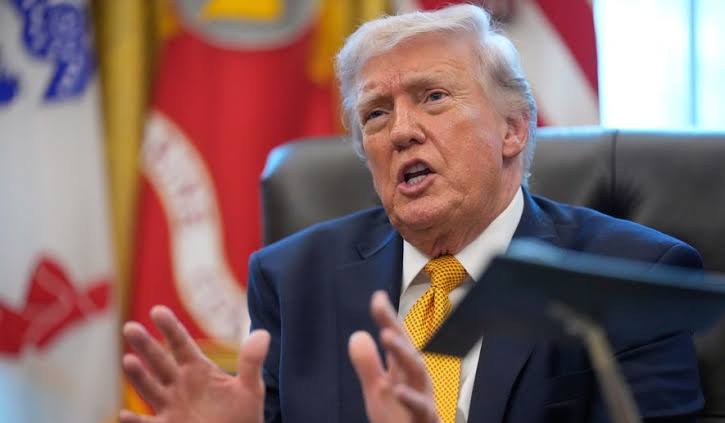
US President Donald Trump has expressed frustration with key allies, including the United Kingdom and Germany, over their reluctance to support a US-led effort to reopen the strategically vital Strait of Hormuz amid escalating tensions with Iran.
The waterway, which handles nearly 20% of global oil and LNG shipments, has remained largely shut following intense military exchanges triggered by US-Israeli strikes on Iran.
“Not Enthusiastic Enough”
Speaking at the White House, Trump suggested that some long-time allies were not showing enough commitment.
“Some are very enthusiastic… and some aren’t. We’ve protected them for years, and they weren’t that enthusiastic. The level of enthusiasm matters.”
His remarks hinted at growing frustration within Washington over what it sees as a lack of support from partners it has historically backed.
Allies Push Back
Several US allies have signalled hesitation in joining military operations in the Gulf:
-
Germany cited lack of mandate from United Nations, European Union, or NATO
-
United Kingdom ruled out offensive operations, though it may support logistics
-
Spain warned against further escalation
-
Italy opposed expanding existing naval missions
German officials also pointed out that the US and Israel did not consult allies before initiating strikes, a key reason behind their cautious stance.
UK Seeks Limited Role
UK Prime Minister Keir Starmer said Britain is working on a “collective plan” but will avoid being drawn into a wider war.
“We will not be drawn into the wider war… reopening the Strait is not a simple task.”
Despite this, Trump publicly criticised the UK’s reluctance to commit military assets like aircraft carriers.
EU Considers Alternative Approach
Within the European Union, foreign policy chief Kaja Kallas suggested expanding the bloc’s Aspides naval mission, originally deployed in the Red Sea.
However, modifying the mission would require unanimous approval from member states—making swift action unlikely.
Strategic and Global Impact
The closure of the Strait has triggered concerns over global energy security, with oil shipments disrupted and tensions rising across the Gulf.
As diplomatic divisions widen, the crisis highlights a growing rift between the US and its traditional allies over military strategy and decision-making in the region.