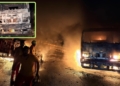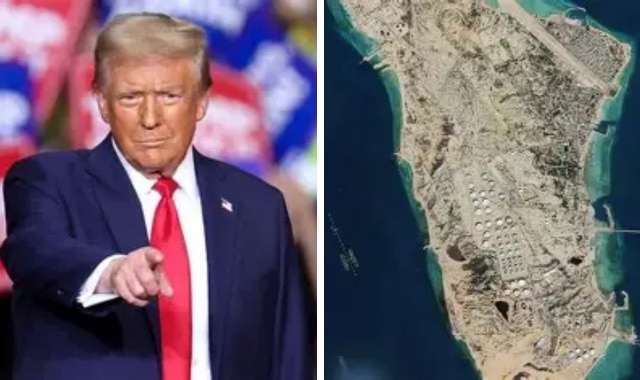
The United States struck military targets on Kharg Island, Iran’s vital oil export hub, in what Donald Trump described as “one of the most powerful bombing raids in Middle East history.”
The move shattered Washington’s long-standing restraint from targeting the island, which handles about 90% of Iran’s crude exports.
Kharg Island, located 25 km off Iran’s coast, is capable of loading up to 7 million barrels of oil a day and holds a storage capacity of 30 million barrels. Analysts warn that crippling Kharg could remove nearly 2 million barrels per day from global markets, sending oil prices soaring. Much of Iran’s crude shipped from Kharg goes to China, the world’s largest importer, raising concerns about strained relations between Beijing and Washington.
Energy experts voiced alarm. Dan Pickering of Pickering Energy Partners said the strike risks permanent supply disruption. Patrick De Haan of GasBuddy noted that Iran, “backed into a corner,” may escalate further.
Iran claimed operations resumed after the strike and insisted oil facilities remained intact. However, the attack signals Trump’s willingness to breach America’s traditional red line, raising fears of retaliation against Gulf oil infrastructure.
The strike follows violent protests in Iran and escalating tensions across the Middle East. Experts caution that targeting Kharg could destabilise global energy markets and weaken any future Iranian government by eliminating the backbone of its economy.
With multiple tankers loading crude at Kharg just days before the strike, the attack underscores the fragility of global oil supply chains and the potential for wider geopolitical fallout.