
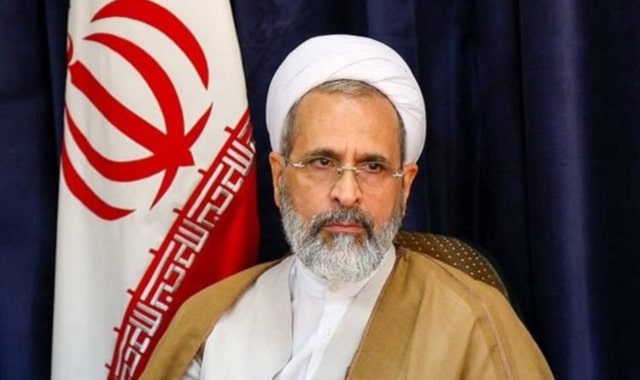
Iran entered a critical transition after senior cleric Ayatollah Alireza Arafi was named interim Supreme Leader following the death of Ayatollah Ali Khamenei in a joint U.S.–Israeli airstrike on Tehran.
State‑linked ISNA confirmed the appointment, underscoring the urgency of leadership continuity in the country’s politico‑religious hierarchy.
Born in 1959, Arafi is 67 years old and commands significant influence within Iran’s clerical establishment. He heads the national network of Islamic seminaries, serves as a clerical member of the Guardian Council, and sits on the Assembly of Experts. Under the Iranian Constitution, he will work alongside the President and the Head of Judiciary until the Guardian Council elects a permanent Supreme Leader.
Analysts highlighted the geopolitical weight of this appointment. Counter‑terrorism expert Dr James M. Dorsey remarked that “the United States has a lot of fish to fry within Iran,” while noting that regime change remains a possibility for Washington and Tel Aviv.
The appointment of Arafi comes at a time of heightened regional tension, with Iran’s leadership facing both internal challenges and external pressure. His interim role signals stability in the clerical hierarchy while the Guardian Council prepares to select a permanent successor.