
The Mahanadi Water Disputes Tribunal (MWDT) is set to visit Odisha for a four-day tour from February 26 to March 2, during which a 10-member team, including the tribunal’s chairperson and members, will inspect key sites across four districts.
The visit includes assessments of critical infrastructure related to the Mahanadi river dispute, alongside cultural and natural landmarks, underscoring the ongoing interstate water conflict between Odisha and Chhattisgarh.
The team, led by Tribunal Chairperson Justice Bela M. Trivedi, along with Justice Dr. Ravi Ranjan, Justice Indermeet Kaur Kochhar, and other officials, will arrive in Jharsuguda by flight from New Delhi on February 26.
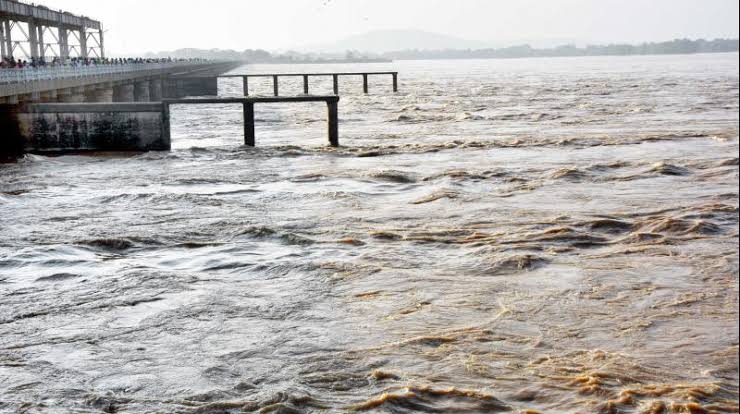
The following day, they will tour the Hirakud Dam, Burla Power House, Chipilima Power House, and the Debrigarh Wildlife Sanctuary. On February 28, after visiting the Samaleswari Temple, the delegation will travel to Bhubaneswar.
The itinerary continues on March 1 with visits to the Lingaraj Temple in Bhubaneswar, the Shri Jagannath Temple in Puri, and the Konark Sun Temple. The tour concludes on March 2 with an inspection of Chilika Lake and its estuary, before the team departs back to New Delhi from Bhubaneswar.
The state Home Department has issued directives to the district collectors of Khordha, Puri, Jharsuguda, and Sambalpur to prepare for the visit, including arrangements for reception, accommodation, meals, and farewell. The visitors have been accorded state guest status. The Water Resources Department has been instructed to appoint a coordinating officer for the entire trip, while police officials in the concerned districts are tasked with ensuring security.
This visit comes at a time when the Mahanadi water dispute remains a contentious issue. Following the formation of the new government in the state, opposition parties have criticised the administration for delays in resolving the problem, while the government has expressed commitment to an amicable settlement. Political circles are abuzz with discussions on the significance of the tribunal’s on-ground assessment, which could influence future proceedings in the long-standing interstate river water sharing conflict.