

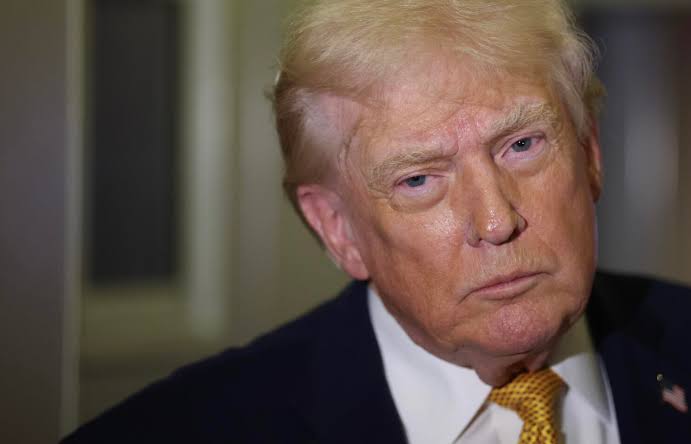
US President Donald Trump has signed a presidential memorandum directing the United States to withdraw from 66 international organisations and treaties, including the United Nations Framework Convention on Climate Change (UNFCCC) and the Intergovernmental Panel on Climate Change (IPCC), marking a significant shift in US engagement with global climate cooperation.
The decision effectively removes the United States—the world’s largest historical contributor to greenhouse gas emissions—from the primary international framework for climate change mitigation, adaptation, and scientific assessment. It also signals that the US will no longer participate in coordinated efforts to provide climate finance and technical support to developing countries for energy transition and resilience-building.
Concerns from Climate Experts
Climate policy experts and international organisations have raised concerns over the move, warning that it could weaken global cooperation at a time when climate impacts are accelerating.
Rachel Cleetus, Policy Director and Lead Economist for the Climate and Energy Program at the Union of Concerned Scientists (UCS), said the withdrawal undermines decades of multilateral climate action and risks isolating the United States from the global community.
She added that rejecting established climate science and stepping away from global agreements could have long-term consequences for public well-being, economic stability, and international credibility.
Economic and Strategic Implications
David Widawsky, Director at the World Resources Institute (WRI), US, described the withdrawal from the UNFCCC as a strategic misstep. He noted that the agreement has formed the foundation of international climate cooperation for more than 30 years.
According to Widawsky, exiting the framework could place American businesses and communities at a disadvantage, as other countries continue to invest in and benefit from the rapidly expanding clean energy economy.
Global Climate Efforts to Continue
Despite the US decision, climate experts emphasized that global climate diplomacy is expected to continue. Other nations remain committed to multilateral cooperation through the UNFCCC to address climate risks, reduce emissions, and promote sustainable economic growth.
As of the latest available data from 2022, China is the world’s largest annual carbon dioxide emitter, followed by the United States, India, Russia, and Japan. However, the US continues to have the highest per capita emissions among the world’s top emitters—approximately double that of China and eight times higher than India, according to WRI.
While the US has already initiated its second withdrawal from the Paris Climate Agreement, a complete exit from the UNFCCC would be unprecedented. The convention has been supported by successive Democratic and Republican administrations since its adoption more than three decades ago.