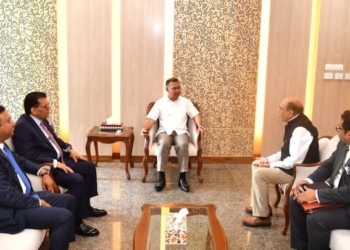
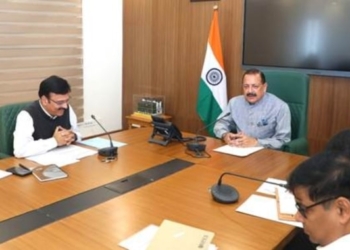
India and Oman signed the Comprehensive Economic Partnership Agreement (CEPA) in Muscat, marking a historic milestone in bilateral relations.
Prime Minister Shri Narendra Modi and His Majesty Sultan Haitham bin Tarik witnessed the signing, while Commerce and Industry Minister Shri Piyush Goyal and Oman’s Minister of Commerce, Industry & Investment Promotion H.E. Qais bin Mohammed Al Yousef formalised the pact.
The agreement unlocks unprecedented opportunities for India’s labour-intensive sectors. Textiles, leather, footwear, gems and jewellery, engineering products, plastics, furniture, agriculture, pharmaceuticals, medical devices, and automobiles will enjoy zero-duty access on 98.08% of Oman’s tariff lines, covering 99.38% of India’s exports by value. Moreover, this marks India’s second free trade agreement in six months, following the UK deal.
Oman offered ambitious services commitments across 127 sub-sectors, including computer-related services, professional services, audio-visual, R&D, education, and healthcare. Consequently, Indian service providers will gain access to high-value opportunities, boosting job creation and commercial engagement.
A major highlight strengthens mobility for Indian professionals. Oman liberalised entry and stay conditions under Mode 4, raised quotas for intra-corporate transferees, and extended permitted stays for contractual service suppliers. Furthermore, professionals in accountancy, taxation, architecture, and the medical sectors will benefit from easier access.
The CEPA also opens the door for 100% foreign direct investment by Indian companies in Oman’s major services sectors. In addition, Oman made a first-ever global commitment to traditional medicine, creating opportunities for India’s AYUSH and wellness industries. Fast-tracking pharmaceutical approvals and mutual recognition of Halal and organic certifications further enhance cooperation.
Union Minister Piyush Goyal emphasised that the CEPA reflects India’s vision of inclusive growth. He highlighted how the pact benefits farmers, artisans, MSMEs, and professionals while safeguarding sensitive sectors. As a result, the agreement will expand bilateral trade beyond USD 10 billion, generate employment, and deepen India’s strategic engagement with the Gulf region.
ALSO READ: Dhurandhar Crushes Baahubali, Eyes Rs 1,000 Cr Milestone