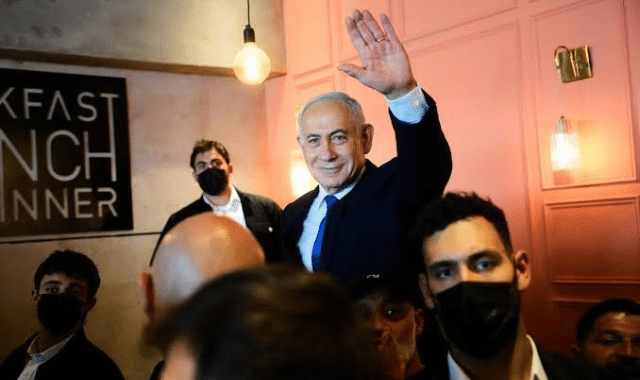
Prime Minister Benjamin Netanyahu faces one of the most consequential tests of his political career as Israelis head to the polls on Oct 27, 2026.
The high-stakes vote could either extend his long-standing dominance over Israeli politics or end his tenure as prime minister.
Long self-styled as “Mr Security,” Netanyahu’s image took a severe hit following the Oct 7, 2023, Hamas-led attack that left around 1,200 dead and 251 taken hostage.
Subsequent regional conflicts, ongoing legal troubles—including a corruption trial and an International Criminal Court arrest warrant—and public controversy over ultra-Orthodox military exemptions have further intensified scrutiny on his leadership.
To retain power, Netanyahu’s Likud party must secure enough backing to assemble a 61-seat majority in the 120-member Knesset.
However, recent polling trackers indicate a fiercely competitive race. The opposition, led by former military chief Gadi Eisenkot’s centrist Yashar party alongside an alliance of former prime ministers Naftali Bennett and Yair Lapid (‘Together’), aims to capitalise on public discontent to unseat the incumbent.
While opposition blocs hold a potential edge in seat projections, coalition arithmetic remains complex, with both major sides ruling out alliances with Arab-led parties.
Whether Netanyahu survives or his rivals bridge their differences, the outcome will fundamentally reshape Israel’s political landscape.