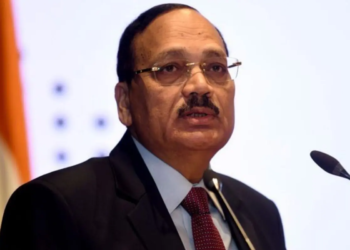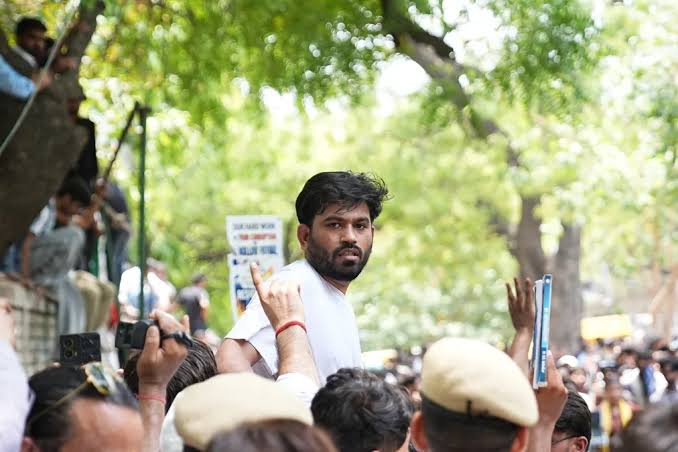
Intensifying the political clash over electoral roll transparency, Cockroach Janta Party (CJP) founder Abhijeet Dipke boarded a flight from Mumbai to New Delhi on Saturday morning, October 10, vowing to lead the planned mass demonstration at Jantar Mantar.
Speaking to reporters prior to his departure, Dipke launched a scathing attack on Prime Minister Narendra Modi, labeling the administration’s sweeping security measures as the desperate actions of a leader terrified of the country’s youth.
”Are Modi and Amit Shah Waging War on Their Own Citizens?”
Criticizing the unprecedented security clampdown—which has turned parts of the national capital into a fortress—Dipke questioned the deployment of central armed forces and the severe disruption of civilian mobility.
”Narendra Modi is a dictator. He is scared, which is why he has closed the Delhi Metro, roads, everything. If he is this scared of the youth of the nation, why is he sitting in the PM’s post?” Dipke asked.
He further questioned the logic behind deploying paramilitary forces and paramilitary units typically stationed in high-conflict zones: “Do Narendra Modi and Amit Shah want to wage war against the people of their own country? Is Gyanesh Kumar so dear to them that they would unleash their police and army forces upon their own citizens?”
Massive Security Grid and Preventive Detentions
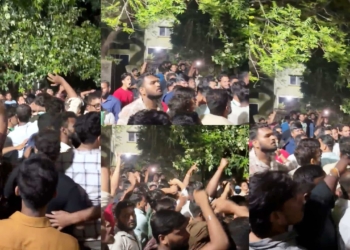
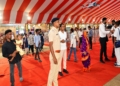
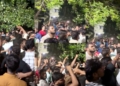
Despite the denial of official police permission for the gathering—citing short notice and concerns over past rule violations—thousands of protesters and students have attempted to converge on central Delhi.
Law enforcement authorities have implemented strict pre-emptive measures across the national capital:
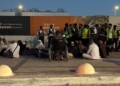
- Mass Detentions: Over 1,000 individuals, including student activists and political workers, have been placed in preventive detention across border checkpoints, railway stations, and residential areas like Shaheen Bagh and Jamia Nagar.
- Detention Hubs: Major sports facilities, including Chhatrasal Stadium and Major Dhyan Chand National Stadium, have been designated as temporary holding centers.
- Transit Restrictions: The Delhi Metro Rail Corporation (DMRC) shuttered 45 key stations, Indian Railways cancelled scores of incoming Mail and Express services, and mobile internet services were temporarily suspended in sensitive zones.
- Supreme Court Intervention: Responding to petitions against blanket transit prohibitions, the Supreme Court ruled that a total shutdown of essential public transportation was “unacceptable” and ordered authorities to maintain regulated operations.
Defiant Stance on Fundamental Rights
Reiterating his commitment to the demonstration, Dipke maintained that the CJP’s agitation against Chief Election Commissioner Gyanesh Kumar over the Special Intensive Revision (SIR) of electoral rolls remains a peaceful democratic exercise.
”Article 19 grants us the fundamental right to protest in a democratic and peaceful manner, and that is exactly what we intend to do,” Dipke said. “If they want to detain or arrest me, let them go ahead. Invoke the UAPA, invoke the NSA—go ahead and do it. But we will keep fighting for free and fair elections and to save this country’s democracy.”