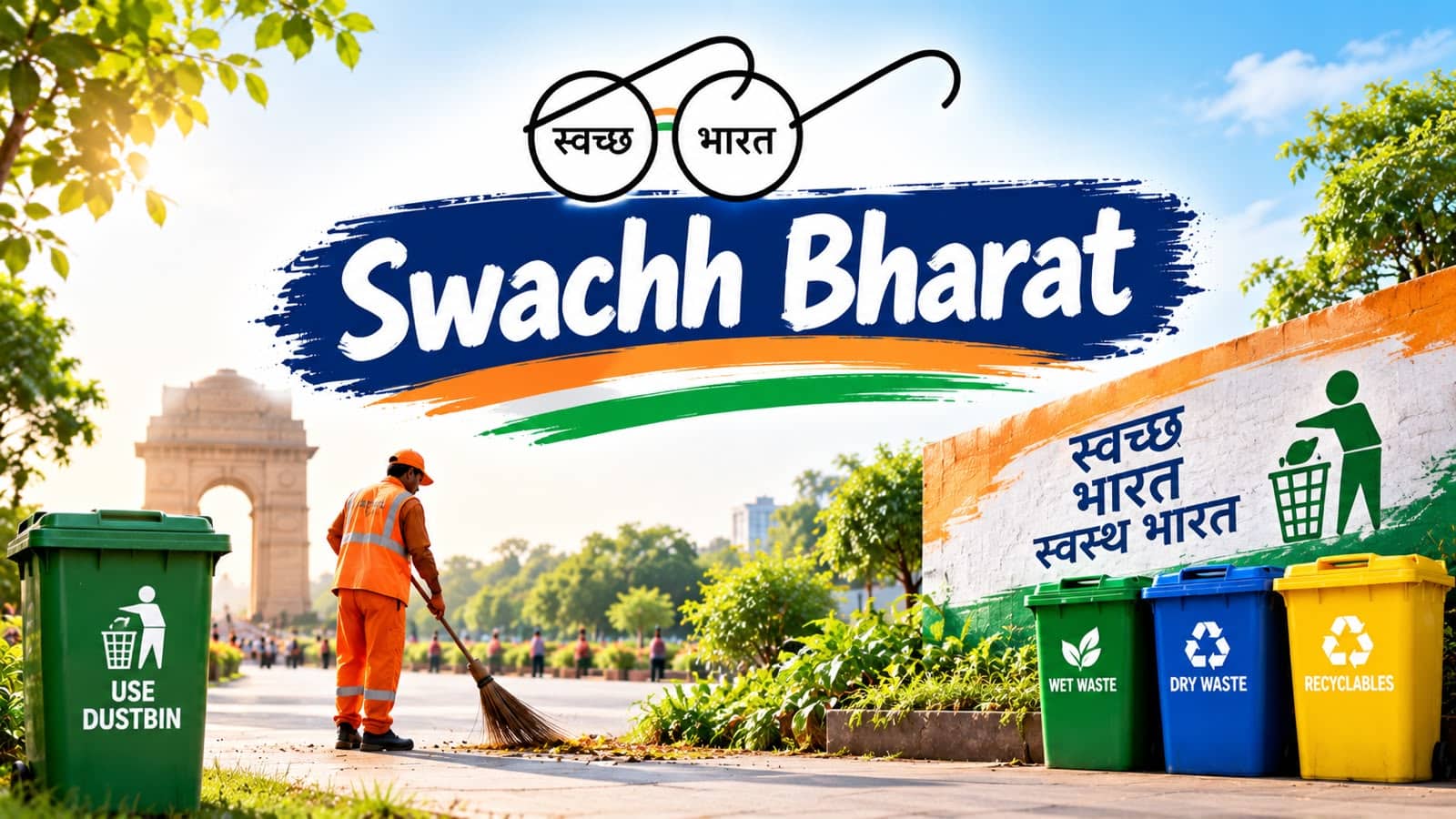
As the nation celebrates Gandhi Jayanti, the Swachh Bharat Mission (SBM) continues to stand as a monumental testament to how infrastructure development, when paired with deep-rooted behavioural transformation, can redefine a nation’s public health landscape.
Launched on October 2, 2014, SBM transformed sanitation from a mere government-led construction drive into a mass jan andolan driven by Social and Behaviour Change Communication (SBCC).
Rather than focusing solely on building toilets or processing waste, the mission recognised that sustained sanitation outcomes require shifting social norms and everyday practices.
Drawing moral inspiration from Mahatma Gandhi’s ideals of cleanliness and self-reliance, SBM leveraged interpersonal communication, community mobilisation, and popular culture to embed Swachhata into daily life.
Grassroots motivators like Swachhagrahis, local Self-Help Groups (SHGs), and community vigilance committees played pivotal roles in carrying sanitation messages directly to doorsteps.
Over the years, the mission expanded its reach through iconic campaigns, celebrity endorsements by film and sports stars, and the integration of digital tools like the Swachhata App and Swachh Survekshan surveys. Women and children emerged as powerful agents of change, championing safety, dignity, and hygiene in households and schools alike.
From establishing robust certification protocols like ODF, ODF+, and Garbage Free Cities Star Ratings to promoting creative incentives like the “Give Polythene Get Gold” initiative, SBM has successfully shifted sanitation from a campaign activity into a sustained, self-sustaining community norm across rural and urban India.