Bhubaneswar, Nov 24: The Biju Janata Dal (BJD) on Tuesday launched a sharp attack on Odisha’s ruling Bharatiya Janata Party (BJP), accusing the state government of celebrating empty claims over paddy procurement while lakhs of farmers struggle to sell their harvest across mandis.
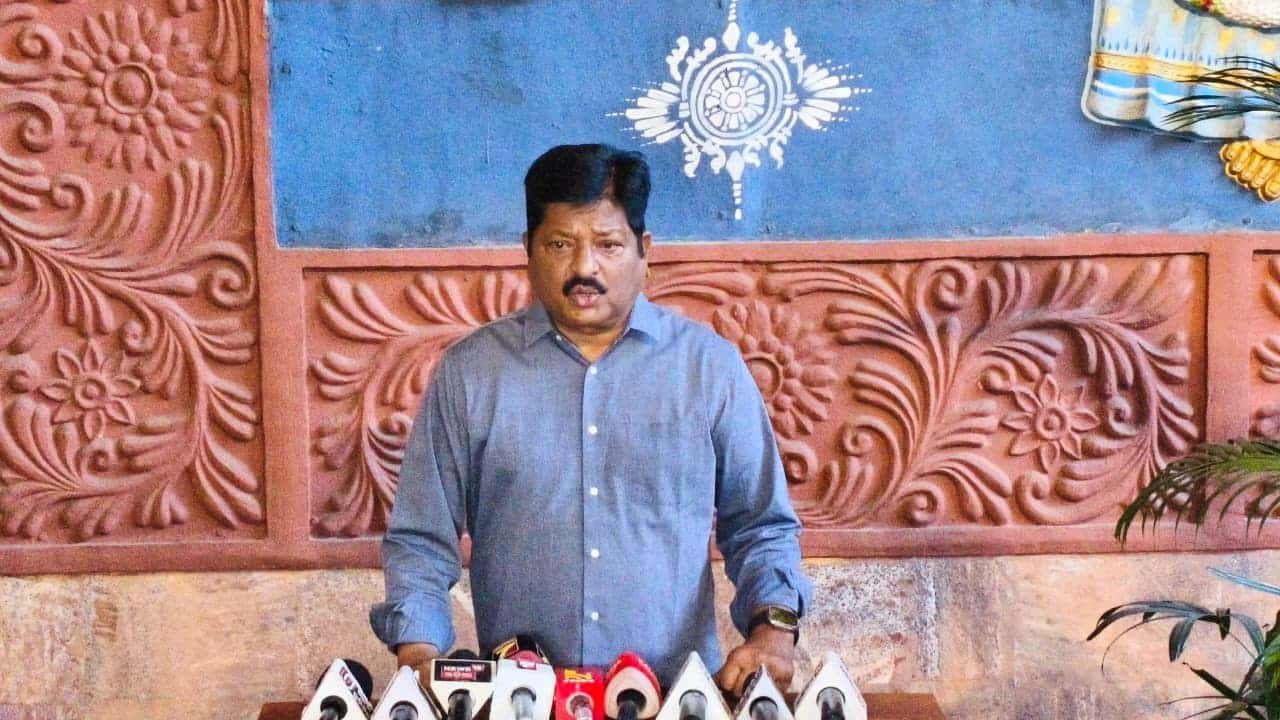
In a strongly worded press statement, BJD Vice-President and former Minister Pratap Jena termed the BJP’s recent press conference “self-congratulatory” and an attempt to mask acute agrarian distress. He alleged that while cultivators are protesting on the streets for fair prices and waiting for weeks at procurement centres, the administration is busy issuing certificates of appreciation to itself—a move he described as “rubbing salt into the wounds of farmers.”
Highlighting the gap between pre-poll promises and ground reality, Jena noted that the BJP had pledged a ₹3,100 per quintal Minimum Support Price (MSP), a middleman-free system, and a complete end to illegal deductions—locally known as Katan-Chhatan. However, over two years into its tenure, farmers remain unable to offload their produce even after receiving procurement tokens, forcing many to spend sleepless nights guarding their grain at mandis amid abnormal lifting delays.
The senior BJD leader also questioned the disparity in procurement volumes compared to neighbouring Chhattisgarh. “Why is Odisha procuring only 40 percent of its total paddy production when Chhattisgarh is purchasing its entire output and exceeding targets?” Jena asked, alleging that mandatory registration hurdles—such as family lineage verification and AgriStack requirements—are deliberately designed to discourage farmers from cultivating paddy.
Jena further pointed to administrative flip-flops, noting that repeated delays in lifting grain have forced the government to frequently extend token validity and revise its own policies. He also criticised the Food Corporation of India (FCI) for failing to lift rice stocks from the state, arguing that the crisis exposes the “helplessness of the Double Engine Government.”
Slamming the state’s handling of Katan-Chhatan, Jena recalled conflicting statements from within the cabinet—where one minister warned millers against excessive cuts while another claimed deductions occurred through “mutual understanding” between millers and farmers. According to the BJD, such contradictions reveal an anti-farmer policy framework that is severely damaging Odisha’s rural economy.
Expressing grave concern over rising farmer suicides linked to crop losses, mounting debt, and procurement bottlenecks, Jena cited the National Human Rights Commission’s (NHRC) decision to seek reports from both the state and central governments. “The death of a food provider is not merely a statistic; it reflects governmental failure and insensitivity,” he said, questioning whether Odisha’s electorate made a mistake by voting the BJP to power in the state and electing 20 BJP MPs.
Reiterating that the BJD will continue its agitation until cultivators receive their rightful dues, Jena demanded immediate accountability and seamless procurement across all districts.