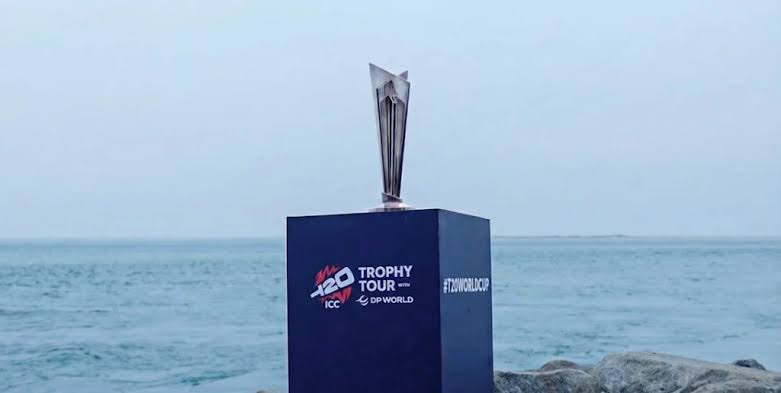
A fresh dispute has emerged between the International Cricket Council (ICC) and the World Cricketers’ Association (WCA) over squad participation terms for the ICC Men’s T20 World Cup 2026, with the players’ body alleging that revised terms circulated by the ICC are exploitative and undermine previously agreed protections.
The disagreement centres on the use of players’ name, image and likeness (NIL) rights, data ownership, and consent mechanisms governing participation in the global tournament.
Dispute Over Revised Squad Terms
According to a report by ESPNcricinfo, the WCA claims that the ICC has issued squad participation terms to players from several countries that do not align with a 2024 agreement reached between the two organisations. The newer draft, the WCA argues, significantly weakens player protections and expands commercial permissions in favour of the ICC and national cricket boards.
In response, the ICC has reportedly stated that the 2024 agreement applied only to certain national governing boards, and not all World Cup participants. The WCA, however, has rejected this interpretation, maintaining that the agreement covers all players affiliated with the global players’ association, regardless of board alignment.
Three Key Areas of Contention
The WCA has outlined three major concerns with the ICC’s revised squad terms:
1. Expansion of NIL Usage Rights
The WCA alleges that the ICC’s draft broadens permissions for the commercial use of players’ names, images and likenesses, allowing licensing to third parties through national boards. Under the 2024 agreement, NIL usage was restricted to ICC commercial partners and host broadcasters, with the WCA authorised to negotiate on behalf of players.
2. Player Data Ownership and Commercialisation
The players’ body claims the ICC version allows the governing body to use and commercialise player-related data with board approval, effectively treating the ICC as the owner of such data. The previously agreed terms, the WCA says, recognised players as the rightful owners and required explicit consent due to the sensitive nature of the information.
3. Deemed Acceptance Without Signature
Another major concern is a clause stating that players are deemed to have accepted the squad terms simply by participating in the tournament, even if they have not signed the agreement. The WCA argues that the approved version required event-specific signatures, ensuring informed consent.
WCA Raises Concerns Over Vulnerable Player Groups
In a memo to players, WCA Chief Executive Tom Moffat described the revised terms as deliberately removing protections promised under the 2024 agreement. He warned that the ICC’s approach could enable extensive commercial use of player rights without consent, with disputes resolved only through an internal ICC process.
Moffat also expressed concern that the revised terms disproportionately affect lower-paid and amateur players, particularly those from emerging cricket nations, for whom ICC events represent a primary source of income and career development.
WCA Calls for Agreement to Be Honoured
Speaking to ESPNcricinfo, Moffat said the WCA does not intend to disrupt the T20 World Cup but remains “deeply concerned” about the erosion of player rights.
“The ICC terms significantly reduce player protections around image and commercial use compared to what was agreed,” Moffat said. “It is especially troubling that different groups of players are being asked to compete under unequal conditions at the same World Cup.”
He added that affected WCA players have already signed the agreed squad terms, and the association expects the ICC to honour those terms for the T20 World Cup 2026.