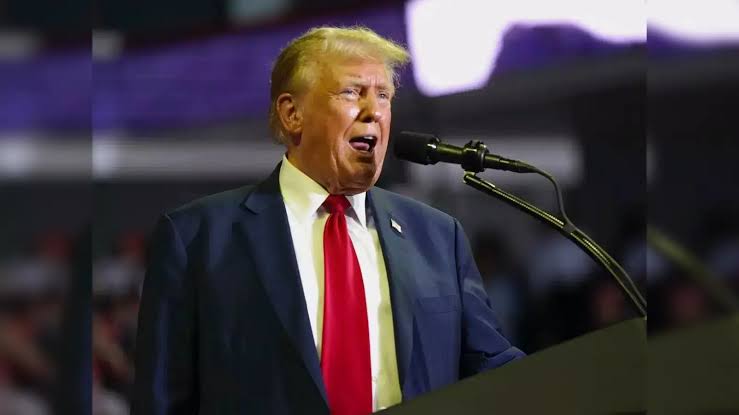
The administration of Donald Trump has initiated a fresh trade investigation into manufacturing practices in several foreign economies, including India. The move follows a ruling by the Supreme Court of the United States that struck down the president’s earlier attempt to impose tariffs by declaring a national economic emergency.
The new probe will be conducted under Section 301 of the Trade Act of 1974, a legal provision that allows the United States to investigate and respond to trade practices it considers unfair or harmful to domestic industries.
Countries Under Investigation
The investigation will examine manufacturing policies and production capacity in 16 economies that are among the United States’ major trading partners. These include:
- China
- European Union
- Mexico
- India
- Japan
- South Korea
- Taiwan
Additional economies included in the probe are Switzerland, Norway, Indonesia, Singapore, Thailand, Malaysia, Cambodia, Vietnam and Bangladesh.
If the investigation finds evidence of unfair practices, the United States could impose new import taxes or other trade restrictions.
US Concerns Over Global Manufacturing Capacity
According to US Trade Representative Jamieson Greer, the administration believes that some key trading partners have developed manufacturing capacities that are not aligned with actual market demand.
Officials argue that excess production in these economies could flood international markets with goods, potentially undermining American manufacturing and discouraging domestic investment.
The administration also emphasized that rebuilding the United States’ industrial base and securing supply chains remain central goals of its trade strategy.
India–US Trade Relations
The investigation comes shortly after a major trade development between the United States and India. Both countries recently announced a bilateral trade arrangement that significantly reduced US tariffs on Indian goods.
Under the agreement, tariffs imposed by the Trump administration were lowered from 50 percent to 18 percent. The reduction followed assurances from New Delhi that it would reduce and gradually halt purchases of Russian oil.
Previously, India had faced a 25 percent tariff under the administration’s “Liberation Day” trade measures. An additional 25 percent penalty tariff was later imposed due to concerns in Washington over India’s continued purchase of Russian energy during the war in Ukraine.
Despite the limited public details, officials from both governments have described the new trade arrangement as a historic step in strengthening economic ties.