
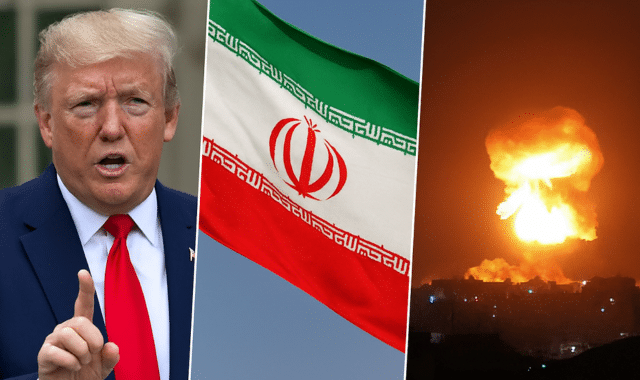
In a dramatic turn in the escalating Middle East conflict, US President Donald Trump announced a five-day pause on planned strikes against Iranian power and energy infrastructure, citing “productive” discussions with Tehran.
While Trump insists Iran “badly wants to make a deal,” Iranian officials have categorically denied any negotiations, accusing Washington of retreating to buy time and stabilise energy markets.
The US diplomatic team, led by Steve Witkoff and Jared Kushner, reportedly achieved “major points of agreement,” with Trump emphasising that the central issue remains Iran’s nuclear program. He reiterated America’s demand for “no nuclear weapons” and an end to uranium enrichment.
Meanwhile, Israel intensified its military campaign with fresh air strikes on Tehran, further complicating the fragile situation. Regional powers, including Turkey, Egypt, and Pakistan, have engaged in parallel talks with both Washington and Tehran, while the UK welcomed reports of dialogue. India stated it is closely monitoring developments.
Markets reacted sharply to Trump’s announcement. Brent crude briefly dipped to $96 before rebounding above $100, while US stock indexes surged on investor optimism over a potential de-escalation.
Despite Trump’s optimism, Iran’s leadership remains defiant, warning that the Strait of Hormuz will not return to pre-war stability.
The uncertainty underscores the fragile balance between diplomacy and military escalation in the Gulf.