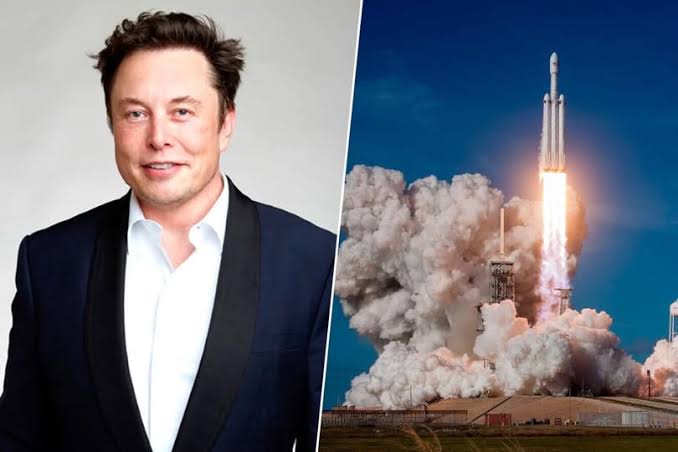
Tech billionaire Elon Musk has confirmed a viral, resurfaced account of how he launched SpaceX in 2002, revealing that he openly warned his earliest recruits that joining the rocket company meant facing an astronomical risk of failure and death.
Reacting to a shared video clip on social media, Musk curtly verified the account with the words, “That’s how it happened.” Speaking originally at Y Combinator’s inaugural AI Startup School in San Francisco, Musk recalled that he launched SpaceX in mid-2002 anticipating a 90% chance of failure.
Honest Warnings & Becoming Chief Engineer by Necessity
Rather than sugarcoating the venture’s viability, Musk explained that transparency was his only recruitment tool when trying to assemble a team with the ultimate goal of making humanity multi-planetary:
-
- The ‘We’re Probably Going to Die’ Pitch: Musk noted that he told prospective hires that failure was likely and survival was uncertain, framing the mission as the sole viable path to advancing aerospace technology and reaching Mars.
- Stepping Into the Chief Engineer Role: Because seasoned, high-caliber aerospace chief engineers deemed the startup far too risky and refused to sign on, Musk was forced to take on the mantle himself. “And then I ended up being chief engineer of the rocket, not because I wanted to, but because I couldn’t hire anyone who was good,” he recalled.
“So SpaceX, I started that in mid-2002 expecting to fail. Probably 90% chance of failing. And even when recruiting people, I didn’t try to make out that it would work. I said, we’re probably going to die, but there’s a small chance we might not die…”
— Elon Musk, Founder & CEO of SpaceX
SpaceX Milestones: 716 Missions and Recent Starship Catch
Founded with roughly $100 million from the sale of PayPal, SpaceX has grown into a global aerospace giant that has completed 716 missions to date, according to its official records.
The historical reflection comes as SpaceX continues pushing boundaries in reusable rocketry. Following a Starbase launch in Texas, the Starship spacecraft recently made history by returning from orbit and being caught by giant mechanical arms at the launch facility for the first time—though the company fell short of its booster recovery goal after the Super Heavy booster broke apart over the Gulf of Mexico.