In a chilling revelation that highlights the expanding footprint of the illegal drug trade in Odisha’s capital, a busy traffic outpost has turned into an open den for narcotics users—right under the eyes of the police.
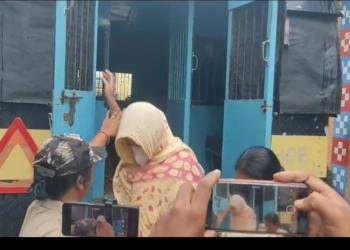
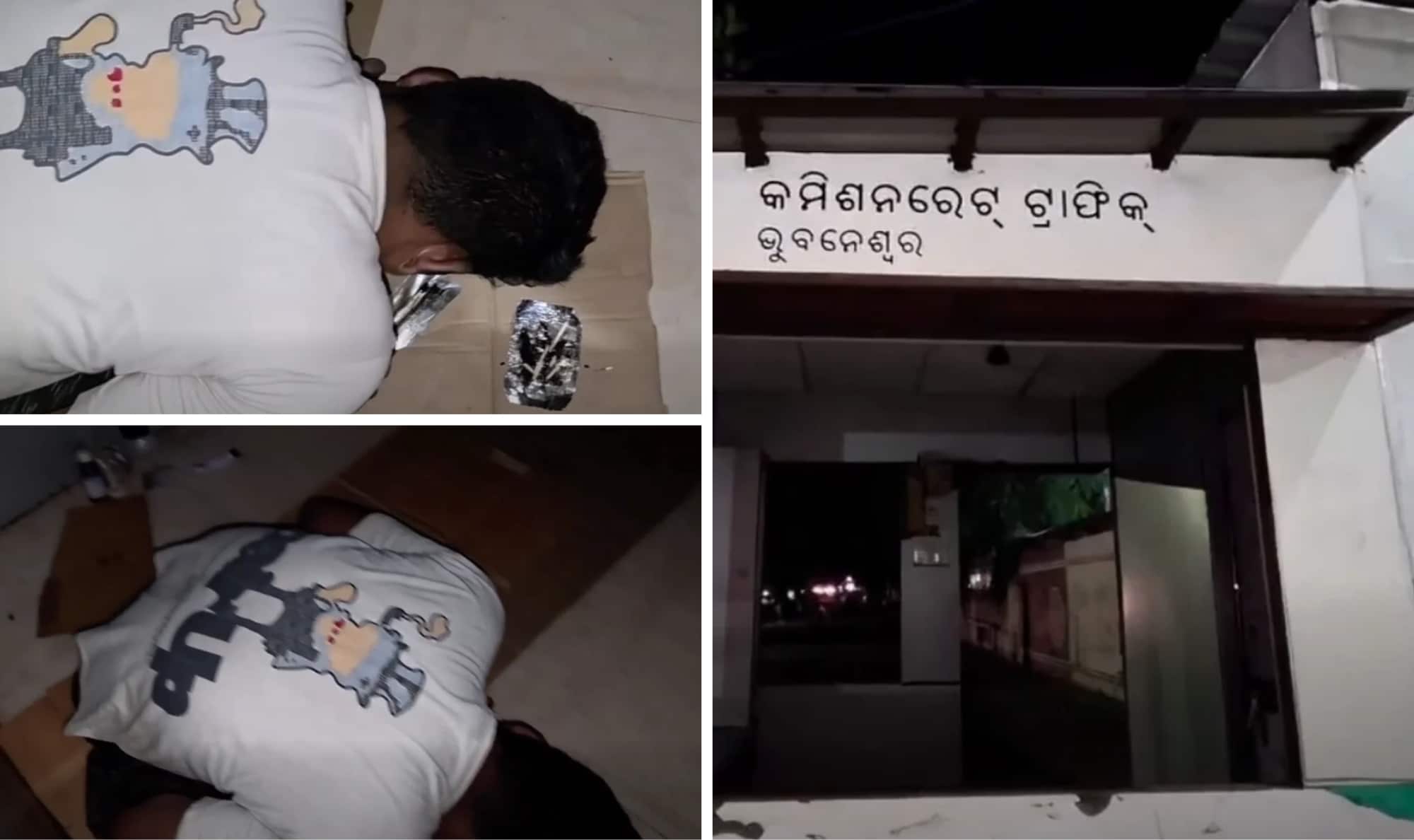
Daylight scenes from the Shriya Chhak traffic outpost in Bhubaneswar show young men brazenly consuming brown sugar inside the structure. While traffic personnel remained stationed outside managing street movement, individuals were comfortably using the interior space to ingest illicit drugs. The incident came to light after the youths fled the scene upon spotting media cameras, leaving behind clear paraphernalia, including used syringes, torn foil packets, and other related waste.
The revelation has sent shockwaves through local residents and commuters, raising serious questions about capital security and operational oversight. A traffic post is fundamentally designed to act as a visible deterrent against crime and maintain civic order. Seeing the same infrastructure converted into a safe haven for drug addicts points to alarming operational blind spots.
This incident unfolds at a time when state authorities have intensified anti-narcotics drives across Odisha. Over recent months, police agencies have launched multi-front operations, seizing significant quantities of brown sugar and cannabis, arresting key operatives, and conducting targeted raids near educational institutions. However, the presence of active drug abuse inside a designated police facility demonstrates just how pervasive and bold the local distribution networks have become.
Local residents and regular commuters expressed deep frustration over deteriorating safety conditions. Many voiced concerns that if state-managed facilities cannot remain secure from criminal activity during the day, public confidence in nighttime security will naturally erode.
Experts and civic observers emphasize that law enforcement strategy must evolve beyond periodic seizures. Addressing the crisis requires continuous CCTV monitoring, regular physical audits of posts and outposts, and strict accountability for personnel assigned to those sectors. Parallelly, community engagement and expanded rehabilitation infrastructure remain critical to curbing demand among vulnerable youth.
The Shriya Chhak incident serves as a sharp wake-up call for police administration. Merely carrying out sporadic raids will not suffice to dismantle high-density drug networks. To protect the capital’s public spaces and safeguard its youth, authorities must enforce strict vigilance, audit institutional infrastructure, and act decisively against anyone enabling these breaches.