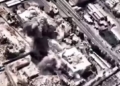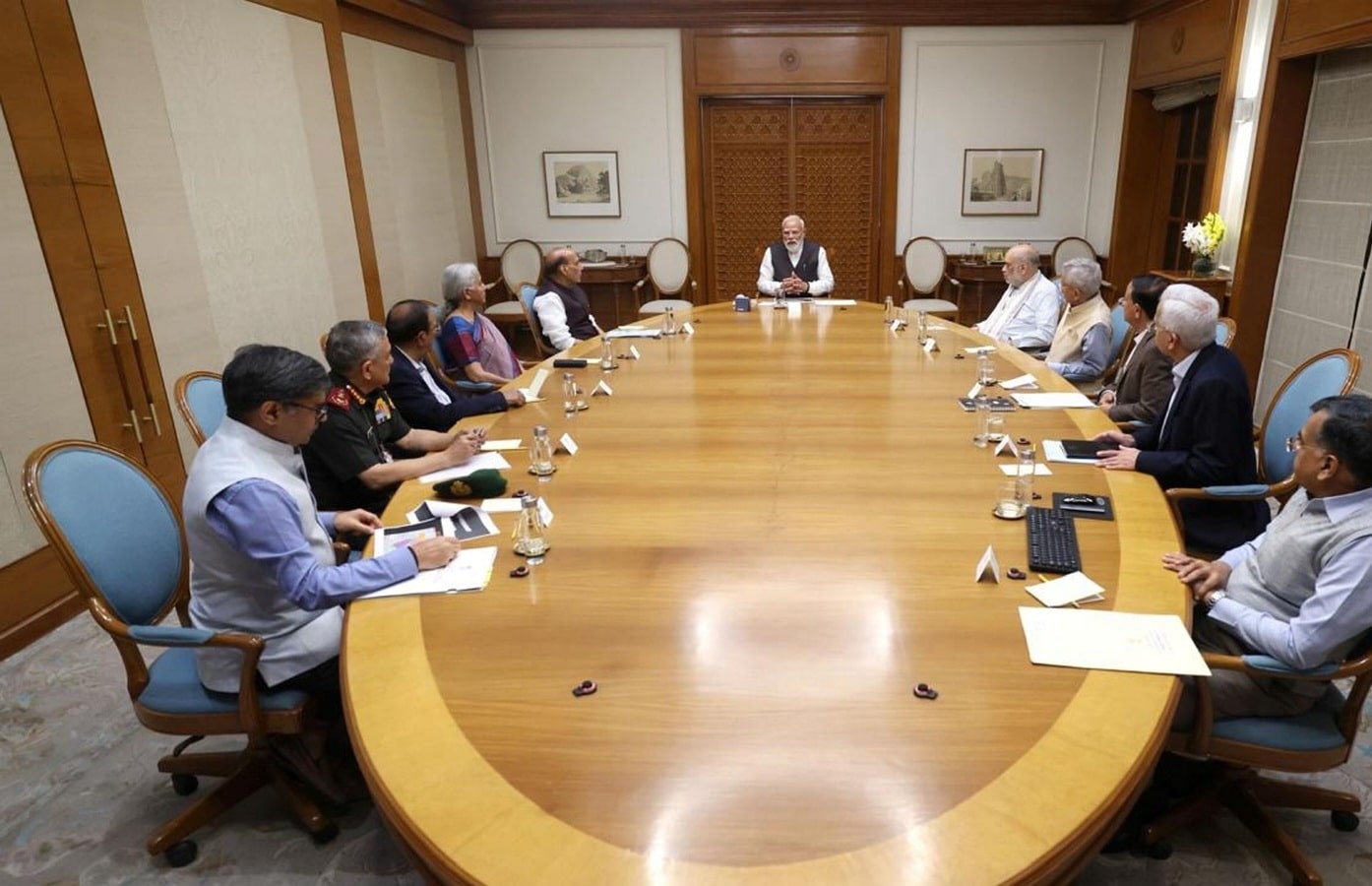
Prime Minister Narendra Modi on Sunday chaired a high-level meeting of the Cabinet Committee on Security (CCS) to assess the rapidly evolving situation in West Asia following recent US-Israeli strikes on Iran and the subsequent regional escalation.
According to an official statement issued by the Press Information Bureau, the CCS was briefed on the February 28 air strikes in Iran and related developments, including reported attacks across several Gulf nations. The committee expressed serious concern over the safety and well-being of India’s large expatriate community in the region.
India Monitoring Situation Closely
India has approximately 9.6 million nationals living and working across West Asia, including nearly 10,000 in Iran. With multiple countries temporarily closing airspace and reports of missile and drone activity in parts of the Gulf, New Delhi is closely monitoring developments.
The CCS reviewed challenges faced by Indian travellers transiting through major Gulf hubs, many of whom have experienced delays or diversions due to flight suspensions. The committee also discussed concerns related to students scheduled for examinations in affected areas, as well as broader implications for regional security, economic stability, and commercial activity.
Officials indicated that while evacuation remains an option, immediate large-scale operations are not under consideration due to ongoing airspace restrictions and volatile security conditions.
Government Directs Departments to Assist Affected Citizens
The CCS directed all concerned ministries and agencies to take “necessary and feasible measures” to support Indian nationals impacted by the conflict. Authorities have been asked to maintain readiness and coordinate closely with diplomatic missions in the region.
The Ministry of External Affairs (MEA) has issued advisories urging Indian citizens in Iran, Israel, Jordan, Qatar, the United Arab Emirates, and Palestine to exercise caution, avoid non-essential travel, and stay in contact with Indian embassies.
Helplines have been activated in key missions, including those in Tehran, Tel Aviv, Abu Dhabi, and Damascus, to provide assistance and real-time updates.
Diplomatic Outreach Underway
External Affairs Minister S. Jaishankar has spoken separately with counterparts in Iran and Israel, conveying India’s deep concern over escalating hostilities and reiterating the need for restraint.
In its earlier statement, the MEA emphasized that dialogue and diplomacy remain essential to de-escalate tensions. The government reaffirmed its consistent position that sovereignty and territorial integrity of all states must be respected.
Strategic Balancing Amid Regional Tensions
The security review comes shortly after PM Modi returned from an official visit to Tamil Nadu and days after his diplomatic engagement in Israel, where bilateral ties were elevated to a Special Strategic Partnership.
The unfolding conflict places India in a delicate diplomatic position as it seeks to maintain balanced relations across the region while safeguarding its diaspora, energy security, and economic interests.
The CCS underscored the importance of an early cessation of hostilities and a return to diplomatic dialogue to ensure regional stability.