
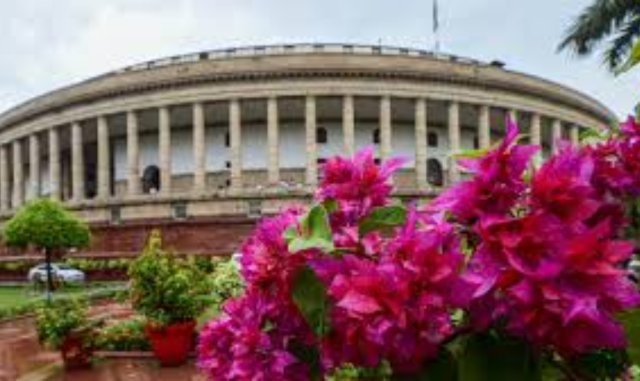
Parliament Winter Session 2025 begins with the government unveiling an ambitious legislative agenda for the 19-day schedule.
The ruling party sets its sights on introducing nine economic bills, while opposition parties prepare to challenge policies on several fronts, including air pollution and governance issues.
To start, Finance Minister Nirmala Sitharaman introduces the Central Excise (Amendment) Bill, 2025, along with the Health Security and National Security Cess Bill, 2025. These measures aim to levy excise duties on tobacco products and replace the GST compensation cess.
Furthermore, the Insurance Laws (Amendment) Bill, 2025, proposes raising the foreign direct investment limit in the insurance sector from 74 per cent to 100 per cent. This step signals a significant push toward financial reforms and greater investor confidence.
In addition, the Securities Markets Code Bill, 2025, seeks to unify the SEBI Act, the Depositories Act, and the Securities Contracts (Regulation) Act. The government emphasises that this move will simplify securities regulations and strengthen market transparency.
Meanwhile, the Jan Vishwas (Amendment of Provisions) Bill, 2025, focuses on decriminalising minor offences to improve ease of living and business. Alongside these reforms, the first batch of Supplementary Demands for Grants for 2025-26 also features prominently in the session’s agenda.
Moreover, lawmakers will debate amendments to the Insolvency and Bankruptcy Code, the Manipur GST Bill, the National Highways Bill, and the Corporate Laws (Amendment) Bill, 2025. Together, these proposals highlight the government’s focus on economic growth and structural reforms.
As a result, the Winter Session promises intense debate, with opposition parties determined to counter the government’s reform-driven approach.
ALSO READ: Winter Eases Across Odisha; Kandhamal Continues to Face Dense Fog and Severe Cold