Iran is considering boycotting the upcoming FIFA World Cup in the United States following a dramatic escalation in tensions with Washington and reports of the death of Supreme Leader Ayatollah Ali Khamenei.
The tournament, scheduled to be hosted across the United States, Mexico and Canada from June 11 to July 19, could face geopolitical disruption if Iran formally withdraws. According to reports, US President Donald Trump announced that Khamenei was killed during recent US strikes in Iran, intensifying the already volatile situation in the region.
Iran’s World Cup Participation in Doubt
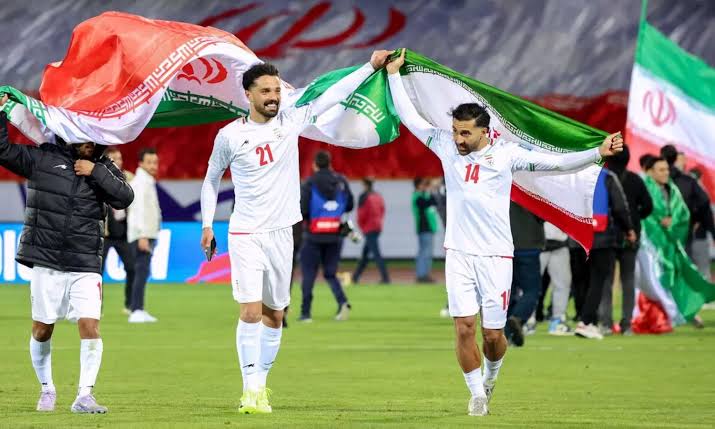
Iran secured qualification for a fourth consecutive World Cup and was placed in the December draw held in Washington. The team is scheduled to play all its group-stage matches on US soil.
Iran’s fixtures include:
-
June 15 vs New Zealand in Los Angeles
-
June 21 vs Belgium
-
June 26 vs Egypt in Seattle
However, Iranian Football Federation president Mehdi Taj indicated that recent developments make participation uncertain.
“With what happened today and with that attack by the United States, it is unlikely that we can look forward to the World Cup, but the sports chiefs are the ones who must decide on that,” Taj told Spanish outlet Marca.
He added that a final decision will be taken in the coming days after consultations with sports authorities and government officials.
Domestic League Suspended
In response to the escalating conflict, Iran’s domestic football league has been suspended indefinitely. The move reflects growing security and logistical concerns amid regional instability.
FIFA Monitoring Developments
The global football governing body, FIFA, said it is closely tracking the situation. FIFA General Secretary Mattias Grafstrom confirmed that discussions were held during a recent meeting of the International Football Association Board (IFAB) in Wales.
“We will monitor developments around all issues around the world. Our focus is on a safe World Cup with all teams participating,” Grafstrom said, emphasising ongoing coordination with the three host nations.
Wider Impact of the Conflict
The reported US strikes targeted facilities linked to the Islamic Revolutionary Guard Corps (IRGC), which American officials described as posing an “imminent threat.” In response, Israel confirmed that Iran launched multiple missiles toward its territory.
The escalation has also disrupted key aviation hubs across the Middle East, raising broader concerns about international travel and security ahead of major global sporting events.
As diplomatic tensions rise, the future of Iran’s participation in the 2026 FIFA World Cup remains uncertain. Any decision to withdraw would mark one of the most significant geopolitical impacts on international football in recent history.