
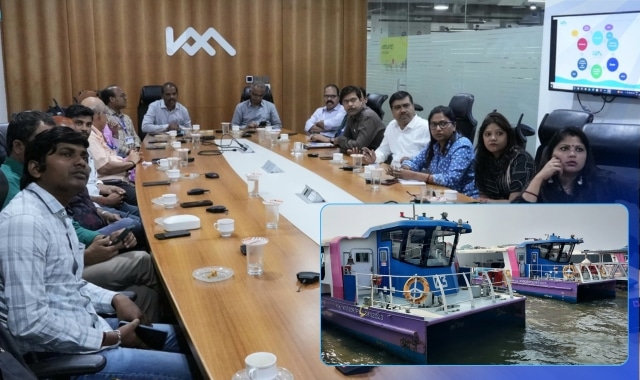
In a bid to spotlight innovative infrastructure and sustainable development, a media delegation from Odisha, organised by the Press Information Bureau (PIB) Bhubaneswar, embarked on an insightful visit to the Kochi Water Metro.
This pioneering project, operated by Kochi Metro Rail Limited (KMRL), was presented as a shining example of climate-resilient and inclusive urban mobility, aligning with India’s broader push for low-carbon public transport.
The delegation, comprising journalists from Odisha, engaged in detailed discussions with KMRL’s top officials, including Shaji P. Janardhanan, Chief General Manager (Water Transport) and Head of Kochi Water Metro; Dr M.P. Ramnavas, Director (Projects); and K.K. Jayakumar, Head (PR & Social Media). The interactive session provided a deep dive into the project’s planning, execution, and day-to-day operations.
Inaugurated by Prime Minister Narendra Modi on April 25, 2023, the Kochi Water Metro has rapidly become a success story, ferrying over six million passengers to date with an average daily ridership exceeding 6,000. Powered by battery-electric vessels and equipped with state-of-the-art terminals, the system emphasises environmental sustainability by slashing carbon emissions while enhancing connectivity for remote island communities. “This isn’t just transport; it’s a lifeline for islanders, offering safe, affordable, and reliable options that cut travel times and boost last-mile access,” noted a KMRL official during the briefing.
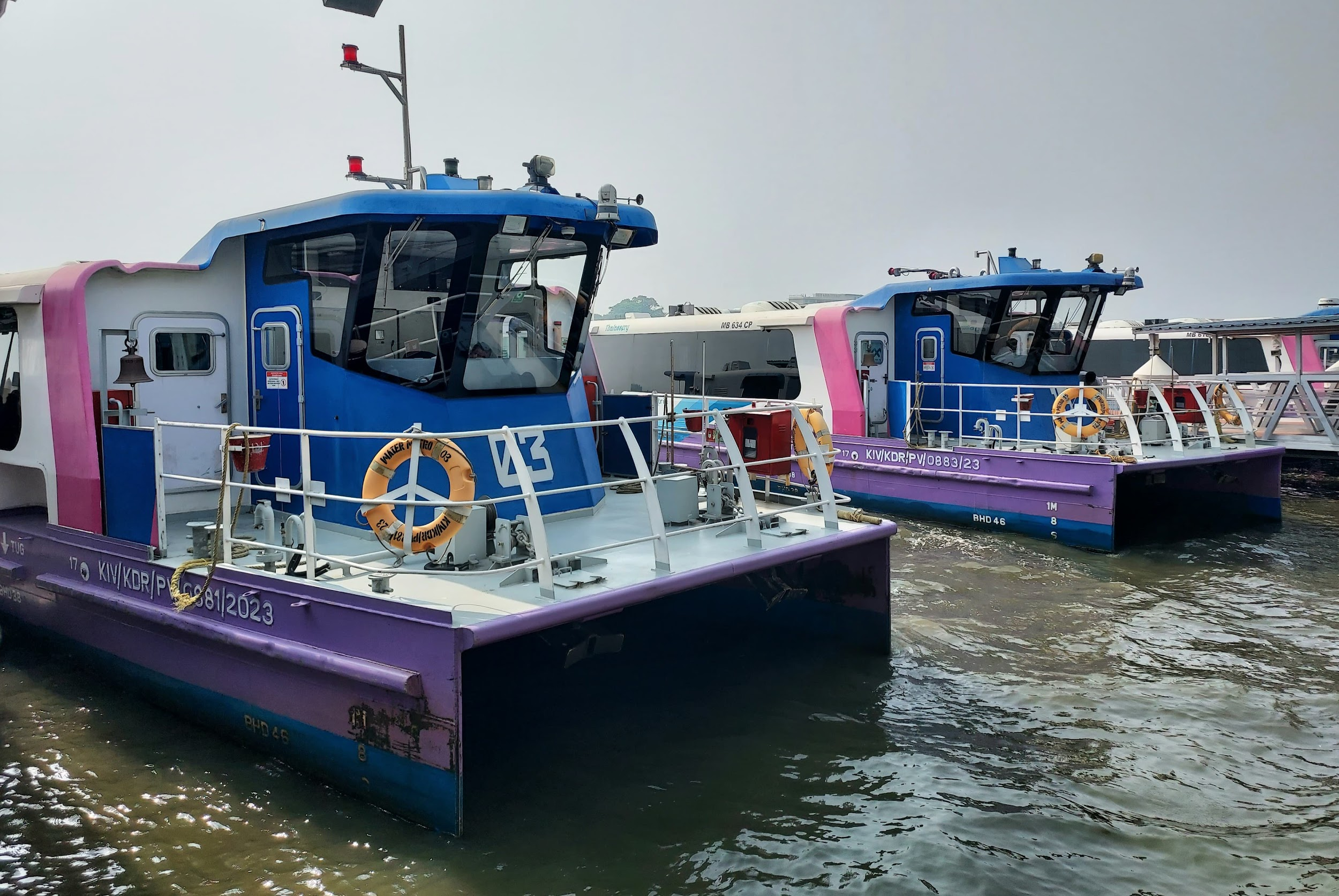
The project stands out for its integration of waterways into urban planning, promoting cultural connectivity, economic growth, and eco-conscious development. Discussions also touched on a feasibility study conducted by Kochi Water Metro along Odisha’s Mahanadi riverfront in Cuttack. Key sites under consideration include the Silver City Boat Club, Bali Jatra Grounds, Barabati area, Deer Park, Chahata, Dhabaleswar Temple, Mundali Bridge, Odisha Maritime Museum, and Mandapada viewpoint – areas rich in history and natural beauty that could benefit from similar water-based transport solutions.
Further highlighting national priorities, the officials referenced recent budgetary allocations aimed at expanding India’s inland waterway and coastal networks, with a special emphasis on National Waterway-5 (NW-5). The Kochi model was praised for its seamless multimodal integration, universal accessibility features, and alignment with global sustainability targets, positioning it as a benchmark for other regions.
Spanning 78 km across 15 routes, the ambitious Kochi Water Metro connects 10 islands with a fleet of 78 fast, electrically propelled hybrid ferries servicing 38 jetties. Once fully operational, it is projected to benefit more than 33,000 island residents by transforming daily commutes and fostering economic opportunities.
Beyond the water metro, the media team’s itinerary included cultural and heritage explorations, such as Adi Shankara Janmasthanam and Keerthi Sthambam at Kalady, the Kodanad (Kaprikkad) Elephant Training Centre, Kerala Folklore Museum, the historic Mattancherry Palace, and the vibrant Fort Kochi area. These visits underscored Kerala’s blend of modernity and tradition.
The delegation was accompanied by Manoj Kumar Kali, Deputy Director, and Swadhin Shakti Prasad, Media & Communication Officer from PIB Bhubaneswar, along with Shamila K.Y., Media & Communication Officer from PIB Kochi.
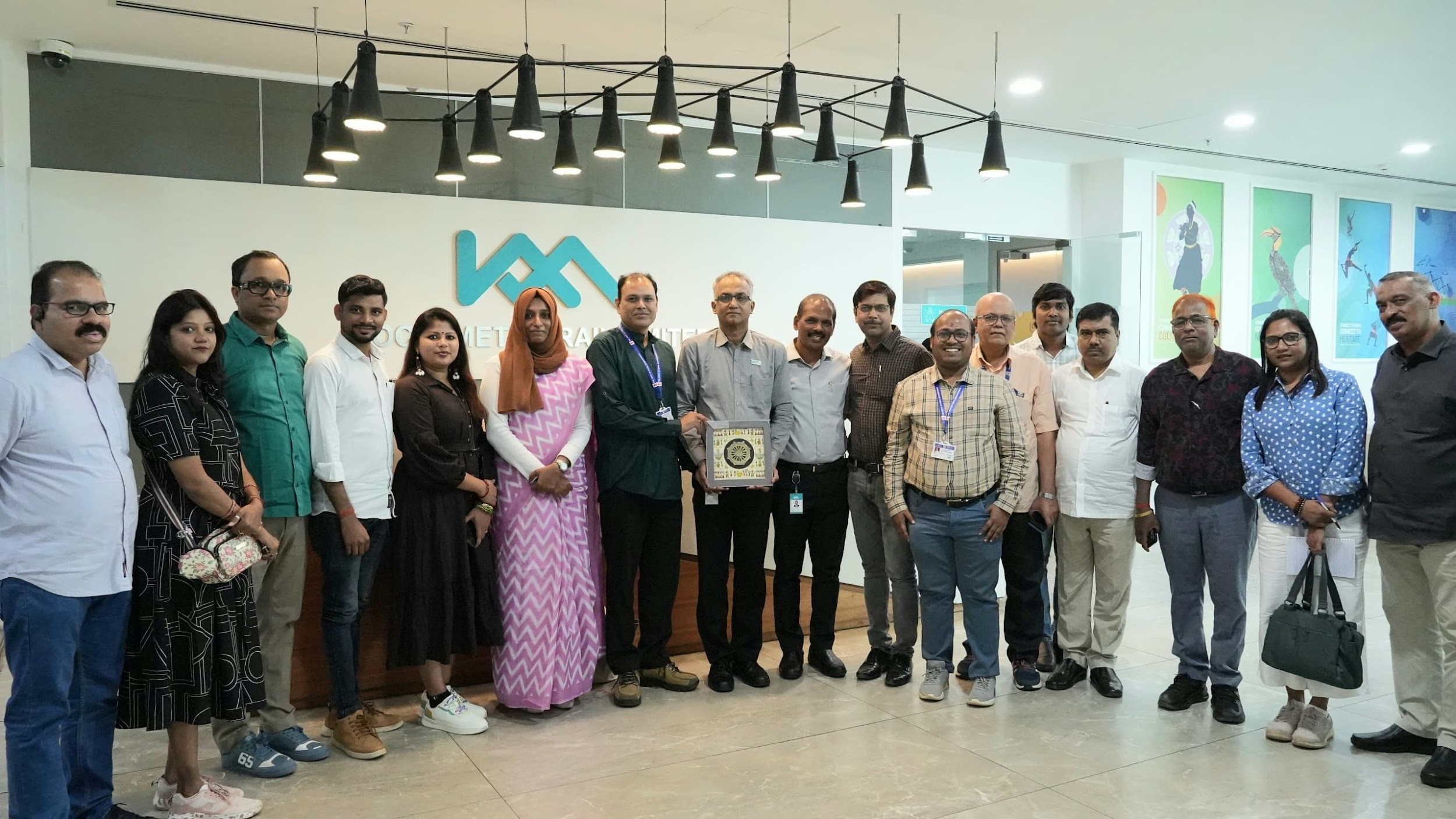
This PIB-led media tour, part of the Azadi Ka Amrit Mahotsav celebrations, seeks to empower journalists with on-ground experiences of flagship projects. By fostering informed, field-based reporting, it aims to amplify stories of India’s progress in infrastructure, sustainability, and cultural preservation.
As urban challenges like congestion and pollution intensify, initiatives like the Kochi Water Metro offer a blueprint for a greener, more connected future.