In a decisive move to tackle one of the state’s most silent killers, the Odisha government has announced a comprehensive, multi-departmental action plan to drastically reduce drowning incidents across rivers, canals, ponds, reservoirs, and coastal areas.
According to official data, nearly 9,000 people lost their lives to drowning in the state over the past five years, with a majority being children and young adults.
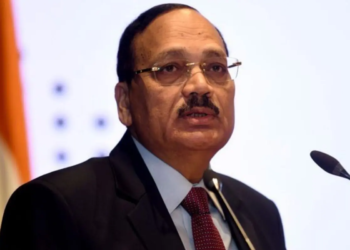
Chief Secretary Anu Garg chaired a high-level review meeting today at Lok Seva Bhawan, directing all concerned departments to treat drowning prevention as a priority mission.
Key Initiatives Announced
- Drowning Black Spots Identification: Districts will map high-risk water bodies based on geography and past incidents. These “drowning-prone black spots” will receive immediate safety interventions.
- Community Lifeguards: Every Gram Panchayat will train at least 1–2 local lifeguards to respond quickly during emergencies.
- Physical Safety Measures: Warning signs, safety railings, barricades, and floating buoys will be installed at vulnerable spots. Open wells will be covered with protective nets.
- Coastal Safety: Safe bathing zones with buoys and ropes will be demarcated at popular beaches. Best practices from other states and countries will be adopted for pilgrim and tourist safety.
- Swimming as Life Skill: Massive swimming training camps and competitions will be organised for students and youth in rural and urban areas.
- Capacity Building: NCC, Civil Defence, and local youth organisations will receive specialised training in water rescue and first aid.
The plan emphasises close collaboration between the Fire Services, Police, Revenue & Disaster Management, Water Resources, Panchayati Raj, and other departments. Odisha State Watermanship and Lifeguard Institute (OSWALI) near Ramachandi will play a key role in training and implementation.
Fire Services DG Dr Sudhanshu Sadangi highlighted that the Chief Minister has expressed deep concern over recurring tragedies and has personally pushed for strong preventive measures. Officials stressed that a collective effort involving government, local administration, NGOs, and citizens can save every precious life.
The government aims to see a sharp decline in drowning deaths in the coming years through awareness, preparedness, and proactive infrastructure upgrades.