
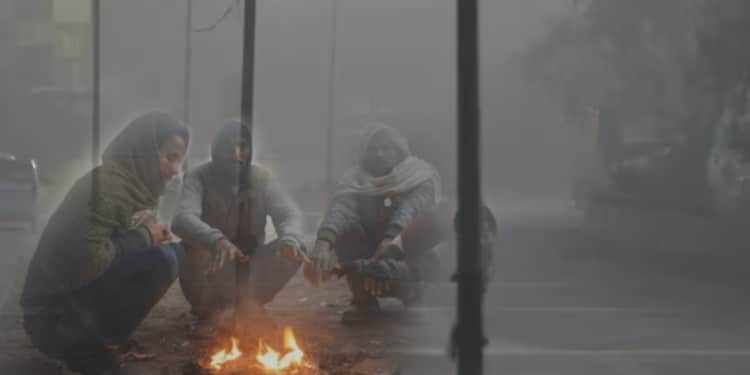
A severe cold wave tightened its grip across Odisha on Thursday, with temperatures plunging sharply in northern, western, and central regions. According to data from the India Meteorological Department (IMD), several parts of the state recorded some of the lowest temperatures of the season.
Early-morning readings showed Jharsuguda shivering at 8.6°C, while many interior pockets of Kandhamal and Koraput reported temperatures hovering near 5°C.
In the state capital, the winter chill continued to intensify. Bhubaneswar recorded 13°C at 5:30 am, marking a dramatic 9.6°C drop over the past ten days. Preliminary IMD data also revealed that at least ten cities and towns across Odisha registered temperatures at or below 10°C.
IMD Predicts Two More Days of Intense Cold
The IMD forecast indicates that the current cold wave conditions will persist for at least the next 48 hours. Dense fog during early mornings and late evenings is expected to continue, accompanied by strong northwesterly winds.
Meteorological experts noted that the ongoing cold phase aligns with broader synoptic patterns affecting eastern India. The IMD’s extended outlook suggests that winter intensity will remain notable across the state until December 12, with interior districts potentially experiencing an additional dip in minimum temperatures.
Western Disturbance May Shift Temperature Pattern
A fresh Western Disturbance is likely to influence the western Himalayan region from December 13. According to IMD analysts, once the system interacts with the plains, Odisha could witness a shift in minimum temperatures.
The cold wave may ease slightly after two days due to cloud formation and changes in wind patterns. However, the IMD emphasized that the winter season is far from over, and more cold spells are expected later in the month.
Cold Wave Impacts Daily Life Across Districts
The sharp dip in temperatures has begun affecting daily routines in several regions. Reports from Phulbani, Bonai, Koida, and other high-altitude belts indicated reduced early-morning activities, minimal road traffic, and delayed business hours as residents avoided exposure to freezing winds.
Market areas, bus stands, and outdoor workplaces recorded lower footfall on Wednesday and Thursday evenings. Many neighbourhoods fell silent shortly after sunset as the biting cold kept people indoors.