
In a significant step towards enhancing social security for vulnerable populations, the Government of Odisha has partnered with the United Nations World Food Programme (WFP) to ensure seamless access to welfare schemes for migrant workers and their families.
The collaboration, formalised through a Technical Assistance Agreement, focuses on enabling portability of essential services like food, health, nutrition, education, and labour benefits as households relocate within the state.
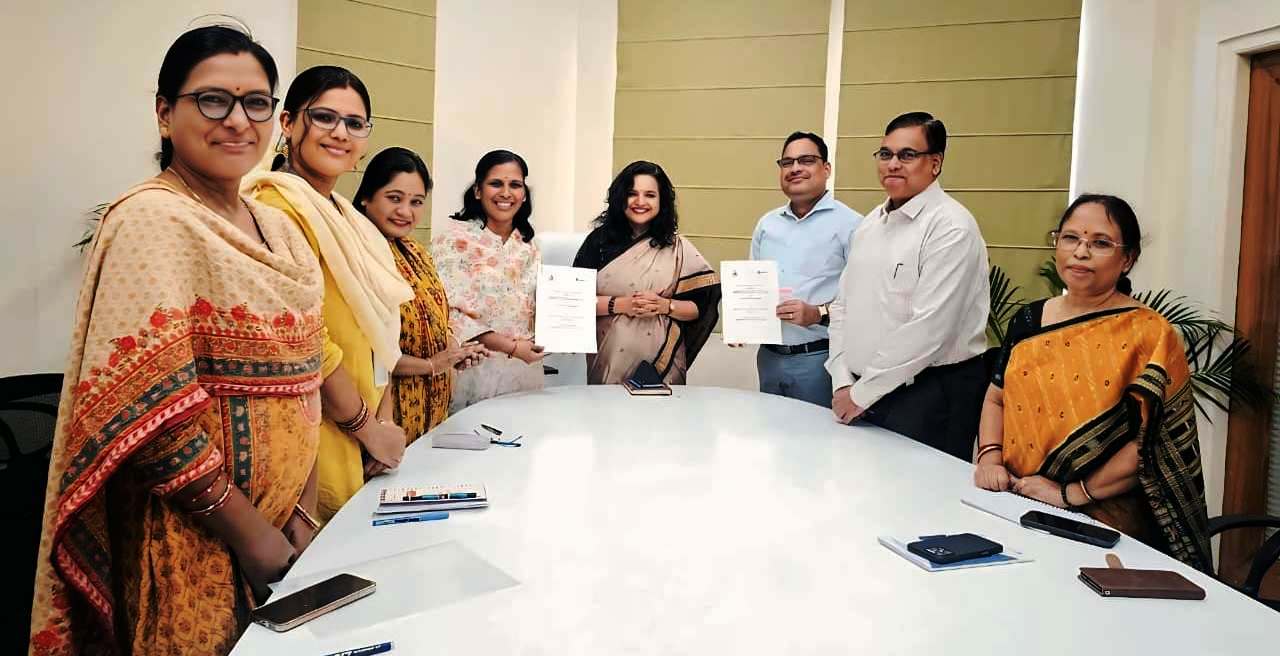
The agreement was signed in the presence of Smt. Anu Garg, IAS, Development Commissioner-cum-Additional Chief Secretary, by Ms Chithra Arumugam, IAS, Additional Chief Secretary of the Labour and Employees’ State Insurance Department, on behalf of the Odisha Government. Ms Elisabeth Faure, Representative and Country Director of WFP India, represented the UN agency. Senior officials from the Labour & ESI and Planning & Convergence Departments attended the event.
Ms Arumugam emphasised Odisha’s dedication to building robust digital infrastructure for welfare portability, stating, “A child’s access to nutrition and services does not stop at a district border, and every migrant household can rely on a predictable social protection safety net wherever they are.” This initiative aims to bridge gaps that often disrupt services for migrants, ensuring continuity regardless of location.
Echoing this sentiment, Ms Faure highlighted the partnership’s potential: “By combining strong Government leadership with WFP’s technical expertise and innovation, we aim to strengthen social safety nets, particularly for nutrition, so that migrant women, men, and children can access the food and essential services they need, when and where they need them.”
Central to the project is the creation of an integrated digital platform designed to track migrant households and facilitate portability across key programs, including the Public Distribution System (PDS), PM POSHAN, Integrated Child Development Services (ICDS), school enrollment, immunisation, health services, and labour benefits. The platform will incorporate multi-modal alerts, interactive dashboards, and advanced data analytics to assist officials in delivering timely support. Additionally, a Learning Management System will train frontline workers, while public awareness campaigns will educate beneficiaries on accessing these services.
India is home to nearly 100 million migrants, who contribute approximately 10% to the national GDP, yet many face barriers to social protection due to mobility. This Odisha-WFP initiative addresses these challenges head-on, starting with a pilot in Khordha district. If successful, it could serve as a scalable model for a coordinated, government-wide approach to social welfare, potentially influencing similar efforts across the country.
This partnership underscores Odisha’s proactive stance on inclusive development, leveraging technology to protect its most vulnerable citizens amid rapid urbanisation and internal migration.
ALSO READ: Odisha Workers Will Not Migrate After 2029, Says Minister Prithviraj Harichandan