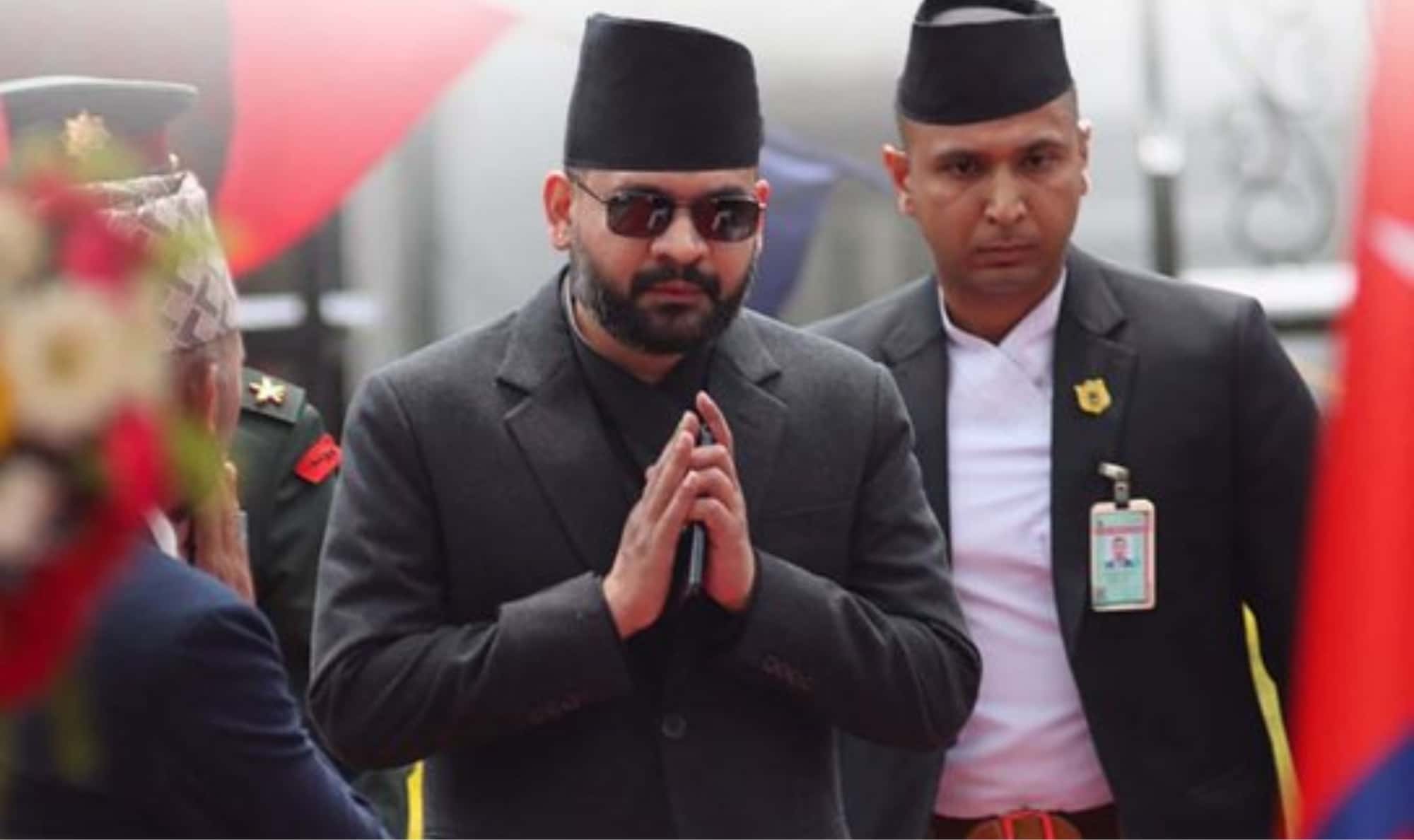
Nepal Prime Minister Balendra Shah is set to arrive in New Delhi this Sunday, November 22, for a high-stakes two-day visit aimed at reviewing bilateral relations and charting a fresh course for cooperation between the two neighbouring nations.
Undertaken at the invitation of Prime Minister Narendra Modi, the November 22–23 trip marks Shah’s first official bilateral foreign visit since taking office in March 2026. By choosing New Delhi as his first bilateral destination, Shah upholds a longstanding diplomatic convention for newly elected Nepalese prime ministers—a tradition that signals the strategic weight Kathmandu continues to place on its southern neighbour.
Key Talks and Agenda
Shah, who will be accompanied by a high-level official and business delegation, is scheduled to hold wide-ranging bilateral talks with PM Modi on Monday, November 23, alongside a courtesy call on President Droupadi Murmu.
According to the Ministry of External Affairs (MEA), the visit aligns with India’s ‘Neighbourhood First’ policy and aims to reinforce a partnership deeply rooted in historical, cultural, and civilisational ties—often affectionately described by leaders on both sides as the age-old “Roti-Beti” (bread and family) relationship.
Discussions are expected to cover the entire spectrum of bilateral engagement, including:
-
Trade and Transit: As a landlocked nation, Nepal relies heavily on Indian ports and transit corridors for its access to the sea and the bulk of its essential imports.
-
Energy and Connectivity: Both leaders are expected to review ongoing projects in hydropower, water resources, and cross-border physical and digital infrastructure, while exploring newer avenues such as startups, space, technology, and innovation.
-
Regional and Global Issues: The two Prime Ministers will also exchange perspectives on broader regional security and international developments of mutual interest.
Navigating Past Diplomatic Friction
While the tone ahead of the visit is firmly forward-looking, observers will be watching closely to see how both sides navigate lingering sensitivities. Bilateral ties experienced a brief spell of unease in May 2026 after Shah suggested involving China and the United Kingdom to help resolve the long-standing boundary dispute between India and Nepal.
New Delhi swiftly rejected any third-party mediation, reiterating that India and Nepal possess established bilateral mechanisms to address all boundary matters. The dispute centres on the strategically vital territories of Lipulekh, Limpiyadhura, and Kalapani, which India consistently maintains are an integral part of Uttarakhand.
Despite those earlier diplomatic ripples, officials from both capitals emphasise that this week’s summit is focused on pragmatism, economic integration, and mutual growth—setting the stage for a constructive reset in India-Nepal relations.