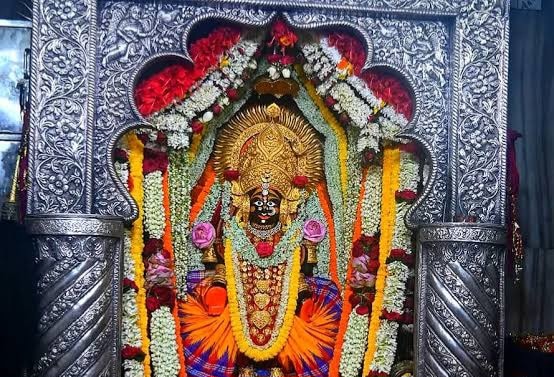
Mula Ashtami, observed on October 3, 2026, holds special significance in Odisha as it marks the beginning of the traditional Shodasa Puja, a 16-day period of worship dedicated to Goddess Durga.
While Navratri is commonly associated with a nine-day festival, several temples and Shakti traditions in Odisha follow an extended ritual cycle beginning with Mula Ashtami and continuing until Vijayadashami. The observance reflects the state’s distinctive Shakta traditions and rich temple heritage.
One of the important rituals associated with the beginning of this period is Devi Utthapana, or the ceremonial awakening of the Goddess. At Srimandir in Puri, the ritual tradition is associated with Sahasrakumbhabhiseka, a ceremonial bathing involving 1,000 vessels of sanctified water before special worship begins.
The Shodasa Puja tradition is also associated with prominent Shakti shrines such as Maa Bimala in Puri, Maa Sarala and Maa Mangala at Kakatpur, although rituals and observances vary from temple to temple.
Mula Ashtami marks the transition into an intensive period of worship, during which devotees seek the blessings of Goddess Durga for protection, prosperity and spiritual strength.
The rituals can include elaborate forms of worship, offerings and traditional ceremonies. In some Odisha traditions, Shastra or Khanda Puja is also observed, reflecting the association of the Goddess with divine power and protection.
The 16-day tradition gives Odisha’s Durga worship a distinctive identity, linking contemporary celebrations with the state’s long-standing temple customs and Shakta heritage.
As Shodasa Puja begins with Mula Ashtami, temples and devotees across Odisha prepare for a series of rituals that culminate with the celebration of Vijayadashami.