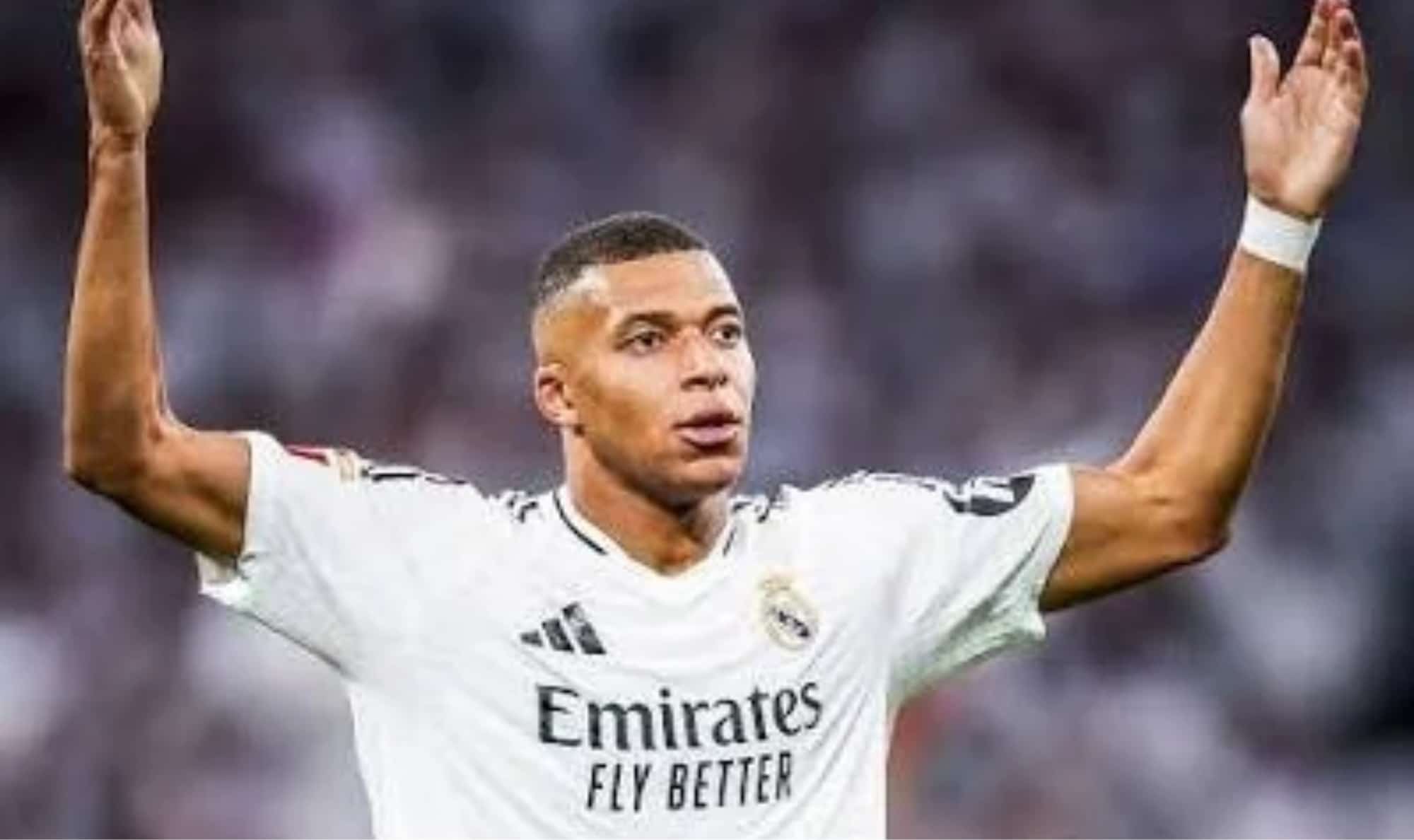
Real Madrid and France captain Kylian Mbappe continues to face growing backlash in China despite issuing a public apology over controversial remarks about former Chinese leader Mao Zedong, with the fallout now extending to sponsorships, social media platforms, and football video games.
The controversy erupted after a clip from a French podcast went viral on Chinese social media. During a discussion about internet memes featuring his face superimposed on historical and political figures, Mbappe referred to Mao Zedong as “some guy, I think he’s a Chinese dictator.”
The comment quickly drew criticism across China, where Mao remains a highly sensitive historical figure. Many social media users viewed the remark as disrespectful to Chinese history and national sentiment. Following the backlash, the original podcast video was reportedly taken down.
Seeking to contain the controversy, Mbappe issued a public apology on Tuesday, admitting that his remark was inappropriate and had caused offence.
“My comment was ill-judged, and I now understand that it hurt many people in China and in Chinese communities around the world,” Mbappe said. “I have deep respect for the Chinese people and their history, and I am sincerely sorry.”
However, the apology has done little to halt the repercussions.
Reports indicate that restrictions have been imposed on Mbappe-related content across major Chinese social media platforms, including Weibo and Xiaohongshu. Several brands have also reportedly removed promotional material featuring the football star.
The controversy has further impacted the gaming industry. Chinese versions of popular football titles, including eFootball, PES Online, and PES Mobile, have reportedly removed or restricted Mbappe-related content. Additional reports suggest that China’s FC Online operation is planning further in-game adjustments involving the player.
Commercially, the consequences have been significant. Chinese companies Eastroc Beverage, Mengniu Dairy, and Shanghai Milkground Food Tech announced the termination of their sponsorship agreements with Mbappe, citing opposition to statements that hurt the feelings of Chinese people.
According to media reports, Chinese state television has also suspended broadcasts and promotional activities involving the French forward. Advertisements featuring Mbappe have reportedly been withdrawn as the controversy continues to generate debate.
The issue has even drawn a response from football authorities. La Liga president Javier Tebas reportedly apologised to Chinese fans and held discussions with China’s ambassador to Spain regarding the matter. Meanwhile, Real Madrid has declined to comment publicly on the controversy.
As one of world football’s biggest commercial and sporting stars, Mbappe’s latest controversy highlights the growing sensitivity surrounding international athletes’ comments in major global markets, particularly China, where public sentiment can rapidly influence sponsorships, broadcasting rights, and digital entertainment platforms.