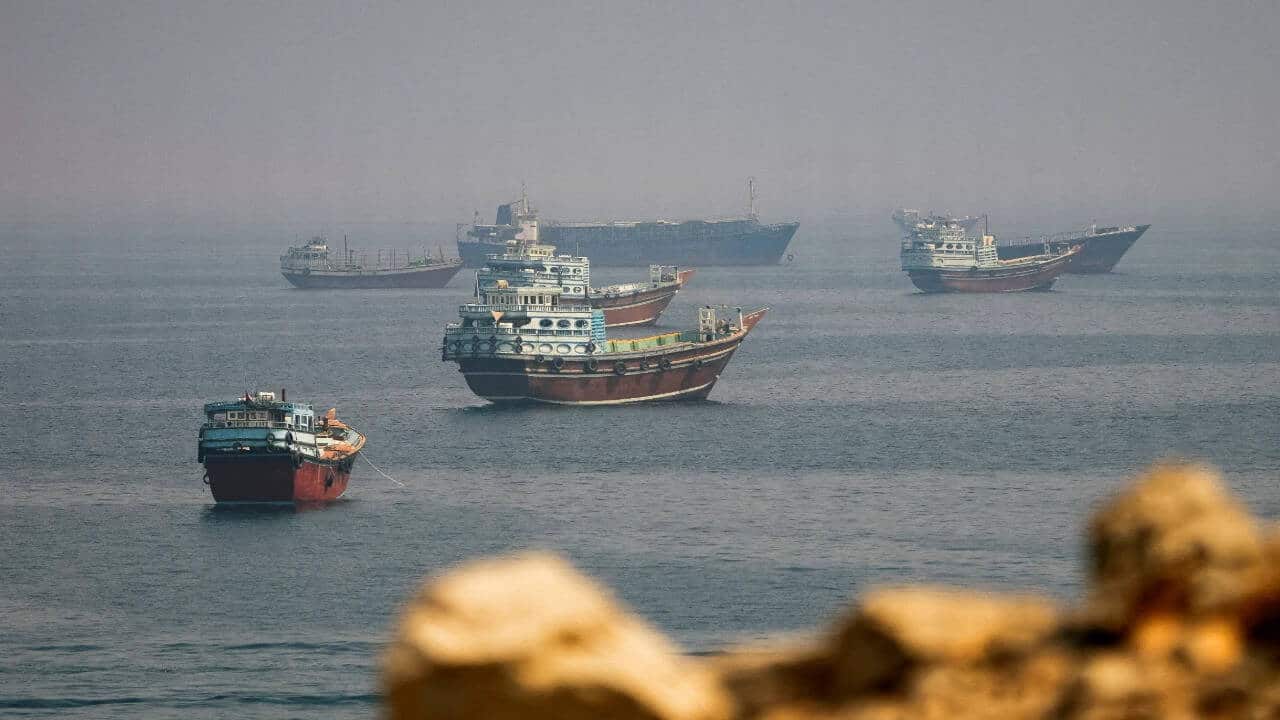
Iranian leadership declared that the strategic Strait of Hormuz will remain closed and direct negotiations with the United States will remain suspended until Washington fulfills seven core demands set by Tehran.
Speaking to Al Jazeera, Iranian Parliament Speaker Mohammad Bagher Ghalibaf confirmed that Tehran had already transmitted its comprehensive framework to Washington via intermediaries and is awaiting an official response.
Iran’s Seven-Point Framework & Reopening Timeline
While Tehran has not released the exact text of all seven conditions publicly, Iranian officials and diplomatic reports have outlined the primary demands required before maritime transit resumes:
- Ceasefire Across Regional Fronts: An immediate halt to hostilities across all regional theaters, specifically including Lebanon.
- Lifting Sanctions & Naval Blockade: Full removal of unilateral US economic sanctions, exemptions from oil export restrictions, and an end to the US naval blockade of Iranian ports.
- Release of Assets & War Reparations: Unfreezing of Iranian financial assets held abroad and compensation for war-related infrastructure damage.
- Nuclear Material Retention: Supreme National Security Council (SNSC) Secretary Mohsen Rezaei emphasized that Iran’s nuclear program is non-negotiable and that enriched uranium stocks will remain inside the country.
- Phased Reopening Timeline: Under Tehran’s proposal, commercial shipping through the Strait of Hormuz would reopen on the sixth day following US compliance, with formal talks on a final settlement commencing on the seventh day.
Escalation Warnings & Diplomatic Stalemate
The declarations come amid Qatari-mediated diplomatic efforts following a White House meeting between US President Donald Trump and Qatari mediators earlier this week:
- No Active Negotiations: In an interview with Lebanon-based Al-Mayadeen TV, SNSC Secretary Mohsen Rezaei dismissed suggestions of ongoing backchannel talks, calling Washington’s initial response “deceptive” and “insufficient”.
- Threat to Distant US Bases: Rezaei warned that Iranian forces would retaliate against US military bases outside the Middle East—including installations in Europe or distant islands—if they are used to launch airstrikes against Iran.
- US Posture: While President Trump has played down the likelihood of launching another major military offensive, Washington has yet to accept Tehran’s truce conditions, maintaining strict economic sanctions instead.