Devotional fervour swept across Srikhetra on the auspicious occasion of Kartika Purnima, which also marked the final day of the sacred Panchuka period.
Large crowds of devotees gathered before dawn along the Mahodadhi shoreline and at Puri’s sacred tanks to perform Boita Bandana and take a ritual holy dip, filling the coast with chants of “Aa Ka Ma Bai.”
Following age-old maritime tradition, pilgrims floated miniature boats crafted from banana sheaths—adorned with flowers, lamps, and incense—in tribute to Odisha’s seafaring heritage. Devotees took their pre-dawn bath in the Mahodadhi to seek spiritual merit, while crowds also congregated at Indradyumna, Markandeya, Swetaganga, and Narendra tanks.
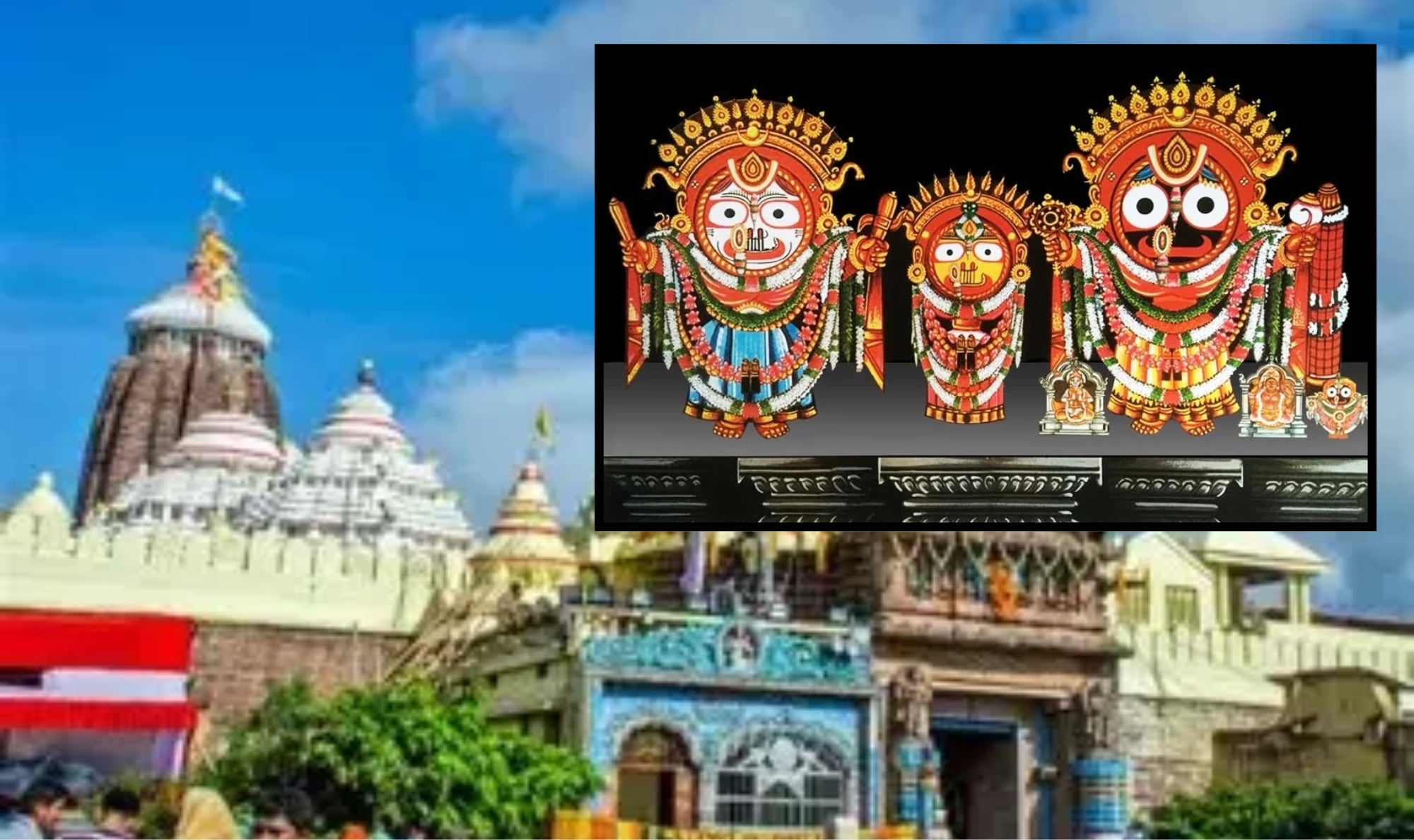
Inside the Srimandir, the highlight of Kartika Purnima was the rare Rajarajeswara Besha (also known as Suna Besha), in which the deities appeared on the Ratnasimhasana adorned in glittering gold ornaments. Anticipation and excitement ran high among devotees eager to catch a glimpse of the Lords in this majestic attire.
To manage the surge of pilgrims and ensure smooth darshan, the district administration, Puri police, and temple authorities put extensive arrangements in place. Devotees entered through the Singhadwara via shaded barricades starting from Market Chhak and exited through the other three gates, backed by 40 platoons of police forces and senior officers deployed for security.
Meanwhile, Habisyalis—devotees who had observed strict month-long Habisya vows—concluded their penance on Kartika Purnima and began returning home, bringing the sacred month of Kartika to a close amid a blend of faith, tradition, and devotion.