
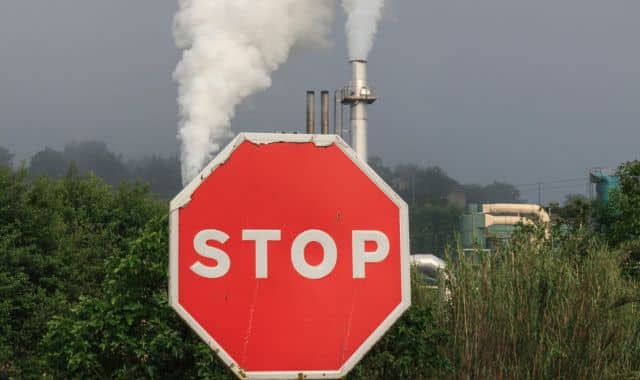
In a decisive response to the escalating air pollution crisis, the Office of the Collector and District Magistrate in Balasore has invoked Section 163 of the Bharatiya Nagarik Suraksha Sanhita (BNSS) to enforce a series of stringent restrictions under the Graded Response Action Plan (GRAP) Stage-II guidelines.
The order, effective immediately in Balasore Municipality and Urban Local Body (ULB) areas, aims to mitigate the poor air quality plaguing the region.
Citing the urgent need to protect public health amid rising pollution levels, the district administration has outlined 13 key measures to curb emissions from construction, transportation, and industrial activities. “This is an ex-parte order issued in view of the emergency,” the document states, emphasizing its temporary nature for an initial period of seven days, with the possibility of extension if conditions do not improve.
Among the prominent restrictions, all construction activities are prohibited daily from 6:00 PM to 10:00 AM, effectively halting nighttime operations that contribute to dust and particulate matter. Demolition and earthwork within municipal and ULB limits are completely banned, while heavy trucks are barred from entering Balasore town and other ULB areas to reduce vehicular emissions.
To address road dust—a major pollutant—the municipality, ULBs, and the National Highways Authority of India (NHAI) are mandated to conduct water sprinkling on all roads at least three times a day. Open burning of waste, coal usage in roadside eateries (dhabas), and any form of open fires are strictly forbidden, with violators facing potential legal action.
Transportation of coal, minor minerals, and ash is also under scrutiny: the Sub-Collector of Balasore and Nilgiri, along with the Regional Transport Office (RTO), will issue separate restrictions limiting such movements to non-daytime hours. Trucks carrying these materials must be covered with tarpaulins on national highways (NH-16), state highways, and major district roads. Brick kiln units are prohibited from operating without explicit permission from concerned authorities.
NHAI and the Executive Engineer of the NH Division have been directed to ensure regular water sprinkling at all ongoing construction sites. The police, municipalities, ULBs, executing agencies, and RTO are tasked with enforcing these measures, while the Sub-Divisional Magistrates of Balasore and Nilgiri will monitor compliance daily and submit reports to the Collector’s office.
Local residents and environmental activists have welcomed the move, though some express concerns over its impact on livelihoods in construction and transportation sectors. “It’s a necessary step, but we hope for support during this period,” said a local truck driver who requested anonymity.
This order comes amid broader concerns about air quality in Odisha’s coastal districts, exacerbated by industrial activities, vehicular traffic, and seasonal factors. Authorities urge citizens to comply and report violations to help restore cleaner air in the region.