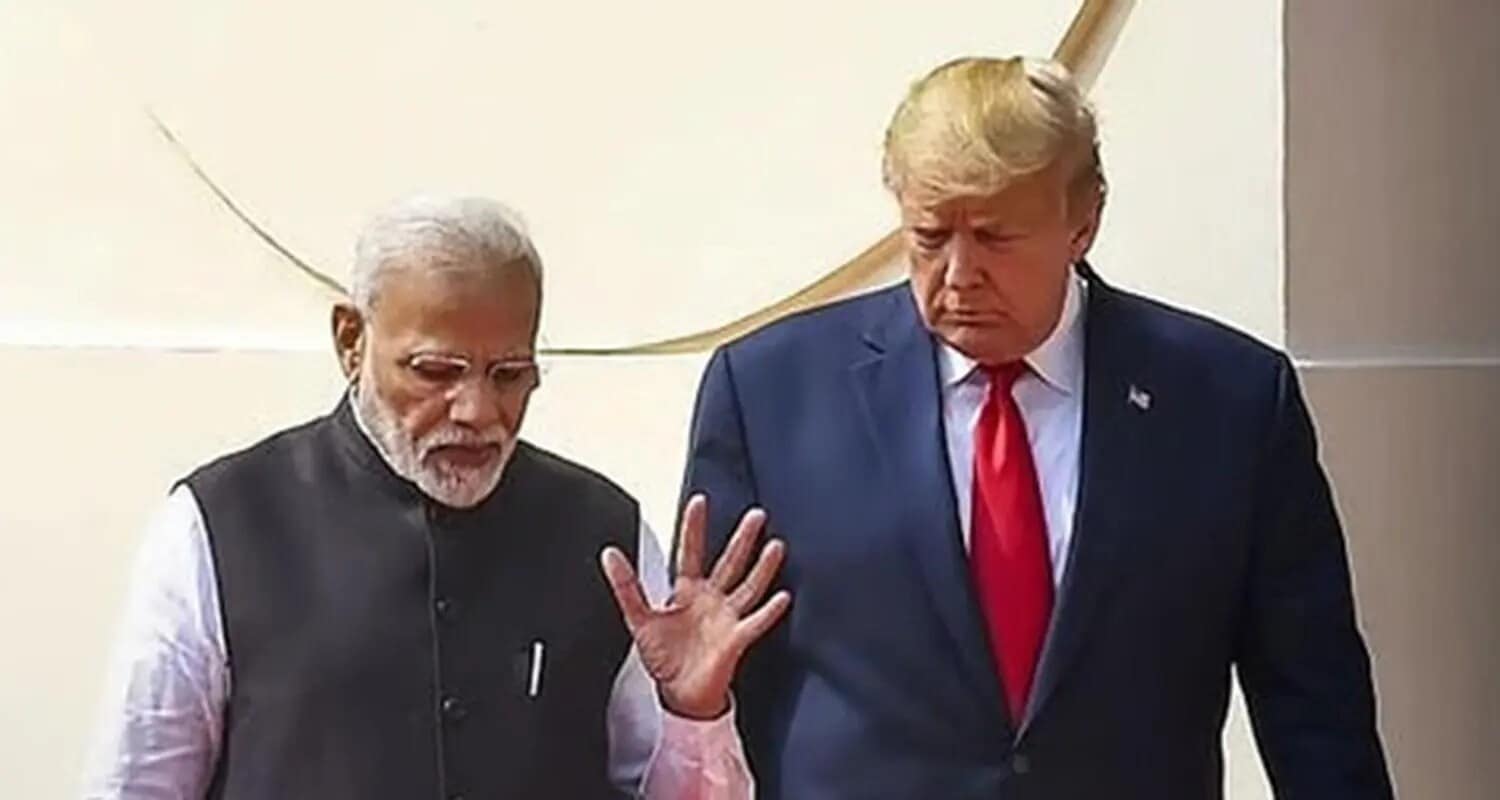
Following a decisive midterm election defeat for U.S. President Donald Trump’s Republican Party, strategic experts in New Delhi are closely tracking the legislative shift in Washington. With the Democratic Party taking control of both the House of Representatives and the Senate, India-US diplomatic and trade relations face a pivotal transition phase.
The midterm results—which saw Democrats capture key congressional majorities—came as expected, though the margin exceeded initial projections. The structural political shift will force the White House to navigate increased legislative oversight over its trade policies, foreign engagements, and executive actions.
Key Friction Points in Recent Relations
In recent months, New Delhi has maintained a cautious stance as the Trump administration pursued policies that raised diplomatic and economic concerns across South Asia:
- Operation Sindoor Ceasefire Claim: A major diplomatic narrative emerged after President Trump took to social media to claim credit for mediating a ceasefire between India and Pakistan following India’s counter-terrorism offensive. While Islamabad praised Washington’s involvement, official records show that Pakistan’s Director General of Military Operations (DGMO) directly initiated contact with his Indian counterpart to request the ceasefire prior to the U.S. announcement.
- Energy Tariffs & Russian Crude: Washington threatened heavy tariffs on Indian imports due to New Delhi’s purchase of Russian crude oil. However, the U.S. simultaneously negotiated direct diesel procurement deals with Moscow prior to the midterms, highlighting inconsistencies in foreign energy policy.
- Immigration & Mobility Strains: Stricter enforcement and policy hurdles surrounding H-1B visas and international student visas created friction between the two capitals, complicating high-skilled workforce exchanges.
- Regional Dynamics: White House outreach toward Pakistan’s military leadership and public statements aligning with Islamabad’s position on regional security sparked concern in New Delhi regarding potential upgrades to U.S.-supplied defense platforms in the region.
The Path Ahead for Bilateral Strategic Ties
Despite these diplomatic challenges, institutional foundations between the two democracies remain strong. Democratic leadership incoming across key congressional bodies, including foreign affairs oversight committees, has historically supported robust Indo-Pacific security cooperation and bipartisan India-US strategic alignment.
As New Delhi seeks stability across global supply chains and regional defense frameworks, the outcome places the initiative on Washington to recalibrate its approach and reinforce bilateral engagement.