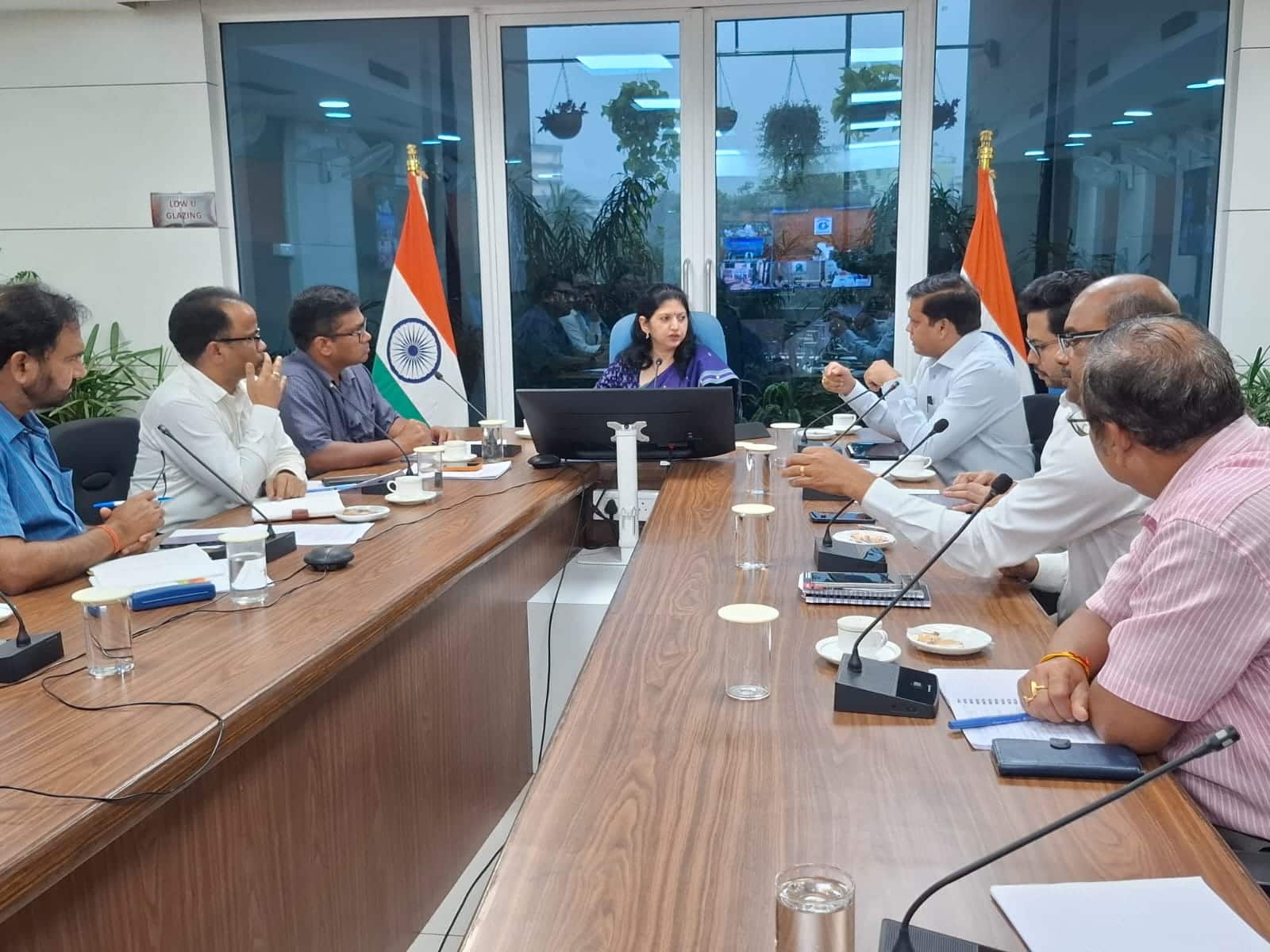
Odisha’s Housing & Urban Development Department today held a high-level meeting to deliberate on mitigation strategies and preparedness for urbanheatwavese and flooding, along with modernisation of storm-water drainage systems across major urban areas of the State.
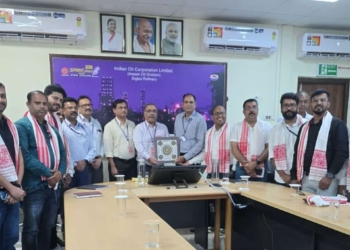
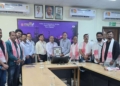
The meeting was chaired by Additional Chief Secretary, Housing & Urban Development Department, Usha Padhee, IAS, at Kharavela Bhawan. SRC Rajesh Pravakar Patil, Municipal Director Arindam Dakua, BMC Commissioner Chanchal Rana, Additional Secretary, H&UD, Rabindra Sahu, EIC, PHEO, Bilas Behera, EIC, OWSSB, Bhagyadhar Mohanty, and other senior officers were present.
The meeting focused on evolving a coordinated and implementation-oriented framework for strengthening urban preparedness and resilience. Detailed discussions were held on preparation of DPRs, funding arrangements, capacity building, technical support and institutional mechanisms for implementation. The focus was on all six Municipal Corporations as well as important major towns in other Urban Local Bodies (ULBs), particularly areas requiring priority interventions.
Addressing the meeting, ACS Padhee emphasised the need to bring all relevant stakeholders on board and develop a clear Action Plan with defined responsibilities and timelines. She suggested that the matter may also be taken up formally at the upcoming Urban Conclave to facilitate wider stakeholder participation and coordinated action.
She stressed the importance of identifying key stakeholders, including the Central Water Commission (CWC) and other concerned agencies, and bringing them together on a common platform. The concerned officers were advised to convene a meeting with the stakeholders and share the identified action points so that all agencies can work in a coordinated manner.
On urban heatwave preparedness, Smt. Padhee called for identification of hotspots requiring immediate intervention in ULBs, along with a set of common interventions that can be undertaken across urban areas. She emphasised the need for clear guidelines indicating the measures that can be taken up immediately and the funding sources that may be utilised for their implementation.
She stressed that the immediate objective should be to ensure that concrete interventions are in place to provide tangible relief to citizens before the next summer. At the same time, she called for systematic planning of medium- and long-term measures to strengthen urban resilience.
The ACS also emphasised the need for long-term interventions such as plantation and other nature-based measures in coordination with the Forest Department. She called for systematic examination of issues relating to plantation, building rules and bye-laws, Schedule of Rates and other relevant regulatory and planning provisions so that necessary interventions can be taken forward in a coordinated manner.
Capacity building was identified as another important component of the proposed strategy. ACS Padhee suggested that the Odisha Urban Academy may be leveraged for structured training programmes for officials and technical personnel. She called for preparation of suitable training modules so that capacity-building activities can be taken up through the Academy.
With regard to storm-water management, ACS Padhee directed the Urban Planning Section to take up the issue on priority. She proposed entering into an MoU for the purpose and suggested that, thereafter, the concerned section of OWSSB may facilitate engagement of a Project Management Consultant (PMC).
She further proposed creation of a dedicated cell or appropriate institutional mechanism for implementing Storm-Water Action Plans. Such a mechanism would also facilitate preparation of DPRs and provide the technical support required for effective implementation of the proposed interventions.
ACS Padhee emphasised that immediate interventions should go hand in hand with medium- and long-term measures. She called for a clear focus on implementation, inter-agency coordination and delivery of tangible outcomes, with the objective of strengthening urban preparedness and resilience and providing visible relief to citizens before the next summer.
The meeting laid emphasis on translating the deliberations into a structured Action Plan covering priority interventions, stakeholder coordination, funding, technical support, capacity building and institutional mechanisms for implementation.
This version positions the meeting as a strategic planning/way-forward meeting, rather than a review of past performance.