Is “Deputy Chief Minister” a real office under the Constitution, or only a political title that later comes with extra staff, protocol and security paid from the public purse?
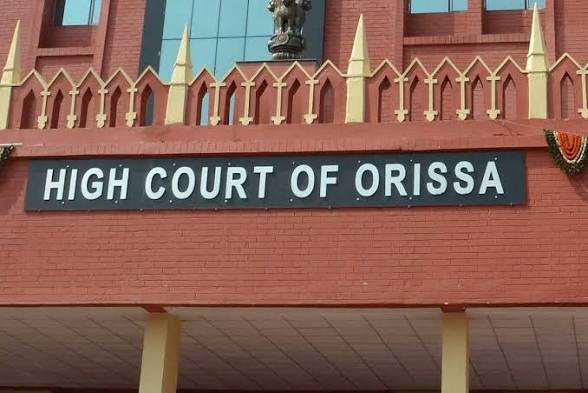
That question reached a pause on Thursday. A division bench of Chief Justice Harish Tandon and Justice Chitta Ranjan Dash reserved its judgment after completing the hearing in a petition filed by Elina Das.
The petition argues that the Constitution of India does not create any post called Deputy Chief Minister. Despite that, after the 2024 change of government in Odisha, two leaders—Kanak Vardhan Singh Deo and Pravati Parida—were announced as Deputy Chief Ministers. They took the same oath as other ministers. In protocol they were not meant to rank above a cabinet minister. The petitioner says practice later changed.
According to the plea, the two leaders began receiving special protocol at official functions, larger office establishments, more staff and enhanced security. The extra arrangement, Das contends, has increased expenditure from the state exchequer. She has asked the court to stop the special treatment, treat Deputy Chief Ministers no differently from other ministers in facilities, and withdraw the additional benefits already given.
The state government, the Governor’s secretary, the Accountant General and the two Deputy Chief Ministers were made parties. Advocate General Pitambar Acharya appeared for the government. He told the bench that the petition lacked sufficient material and should be dismissed.
Senior advocate Srinivas Mohanty argued for the petitioner. After hearing both sides, the bench reserved its verdict.
The case does not stand in a vacuum. Courts have earlier observed that calling a minister “Deputy Chief Minister” does not by itself violate the Constitution, because the person remains a minister. The live issue here is narrower and more practical: once the title is used, can the state then create a higher protocol, bigger establishment and extra cost that other ministers do not get?
Odisha is not the first state to appoint two Deputy Chief Ministers. The practice is common in several states as a way to balance factions or coalition partners. What the High Court will now decide is whether Odisha’s version of that practice has crossed from political convenience into an unjustified drain on public money and an unofficial hierarchy the Constitution never wrote down.
Until the reserved judgment is pronounced, the two Deputy Chief Ministers continue in office with the arrangements that the petitioner has challenged.