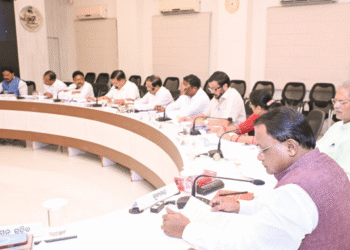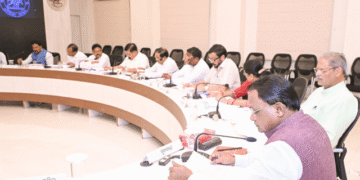

In a significant push for child protection and early education, the Odisha Cabinet, chaired by Chief Minister Mohan Charan Majhi, on Wednesday approved the continuation of two key state sector schemes under the Department of Women and Child Development for the next five years.
The first proposal extends the flagship “Jashoda” scheme along with its sub-scheme “Ashirbad” with a total outlay of ₹296.99 crore from 2026-27 to 2030-31. Fully funded by the state government, Jashoda will continue to offer a comprehensive safety net for children living without biological parents, those with incapacitated parents, children affected or infected by HIV, and those who lost their primary breadwinner during the COVID-19 pandemic.
Under Jashoda, eligible children will receive support for technical education, coaching for competitive exams, scholarships, Sukanya Samriddhi contributions, marriage assistance, regular surveys of orphan children, and the issuance of orphan certificates. The Ashirbad component specifically provides monthly financial assistance through Direct Benefit Transfer (DBT) and other convergent support to children who lost both parents or their primary earning parent during the pandemic.
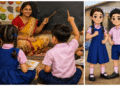
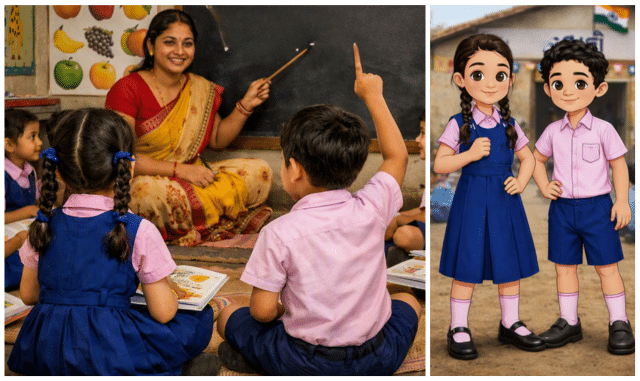
The second major approval is for the continuation of the “Malati Devi Prak Vidyalaya Paridhan Yojana” with an enhanced budget of ₹5,86,50,75,480 (approximately ₹586.51 crore) over the same five-year period. The scheme, which benefits around 14.76 lakh preschool children (aged 3-6 years) enrolled in Anganwadi Centres across Odisha every year, has been revised with higher unit costs.
Under the updated provisions:
- Each preschool boy will receive two pairs of uniforms at ₹175 per pair
- Each preschool girl will receive two pairs of uniforms at ₹225 per pair
- Every child will get one pair of shoes and two pairs of socks at ₹180, plus a sweater at ₹200
The scheme will continue to be implemented through Anganwadi Centres and is expected to boost Early Childhood Care and Education (ECCE), improve enrolment and attendance, promote equity, ease the transition to primary school, and create livelihood opportunities for Self-Help Groups, SHG Federations and Subhadra beneficiaries involved in stitching and supplying the uniforms.
Together, the two schemes reaffirm the state government’s commitment to ensuring that no child is left behind—whether they need financial and social security or simply a proper uniform and shoes to walk into their Anganwadi classroom with confidence and dignity.