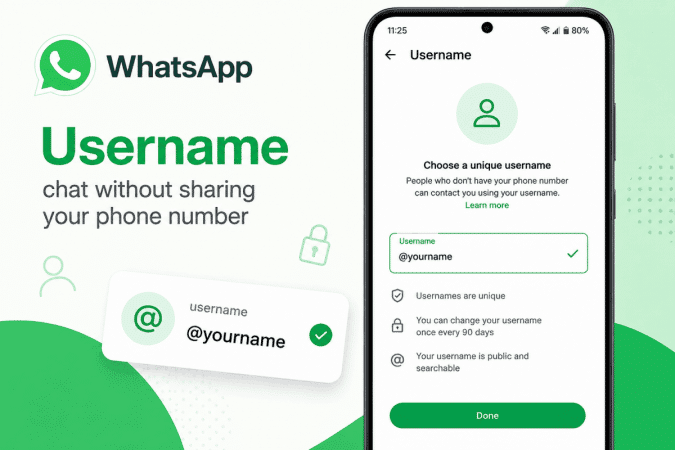
The Central Government has issued a notice to Meta Platforms-owned WhatsApp, seeking a detailed explanation of its newly announced username feature and directing the platform not to roll it out until consultations with the government are completed.
The Ministry of Electronics and Information Technology (MeitY) expressed concerns that the feature could increase the risk of online fraud, phishing, impersonation and identity theft by allowing users to communicate without sharing their phone numbers.
Government Seeks Explanation Within Three Days
According to the notice, WhatsApp has been asked to submit a detailed response within three days explaining the safeguards built into the feature.
The ministry also instructed the messaging platform to pause the rollout of the username feature until discussions with government officials are completed to their satisfaction.
Officials indicated that a consultation meeting with WhatsApp is expected soon to examine the feature’s security implications.
Why the Government Is Concerned
In the notice, the government said the username feature could make it easier for cybercriminals to carry out:
- Online fraud
- Phishing attacks
- Digital arrest scams
- Identity theft
- Impersonation of individuals
- Spoofing of government agencies and financial institutions
According to the ministry, malicious actors may create usernames closely resembling those of genuine individuals, government departments or trusted organisations, potentially misleading users.
The government also reminded WhatsApp that, as a Significant Social Media Intermediary, it must comply with due diligence obligations under the Information Technology Act, 2000 and the Information Technology (Intermediary Guidelines and Digital Media Ethics Code) Rules, 2021.
WhatsApp Highlights Built-In Safety Measures
Responding to the concerns, WhatsApp said several safeguards have been incorporated into the username system to reduce the risk of impersonation.
According to the company:
- High-profile usernames linked to public figures, government entities, celebrities and verified Meta accounts have been reserved so they can only be claimed by legitimate owners.
- Lookalike usernames are also restricted to prevent misuse.
- Users will still need a valid phone number to create and use a WhatsApp account.
- People can only contact someone through the username feature if they know the exact username.
- The platform has implemented protections against automated username guessing and suspicious account activity.
WhatsApp also said it will provide contextual information—such as an account’s age, shared contacts, common groups and approximate location—to help users make informed decisions before responding to messages from unfamiliar accounts.
Privacy Upgrade Under Government Review
WhatsApp introduced the username feature as a privacy enhancement that allows users to connect without revealing their mobile numbers.
However, the government’s latest notice indicates that regulators are carefully examining whether the privacy benefits outweigh the potential cybersecurity and fraud risks before allowing a wider rollout in India.
The outcome of the upcoming consultations between MeitY and WhatsApp could determine whether the feature is launched in its current form or modified to address the government’s concerns.