

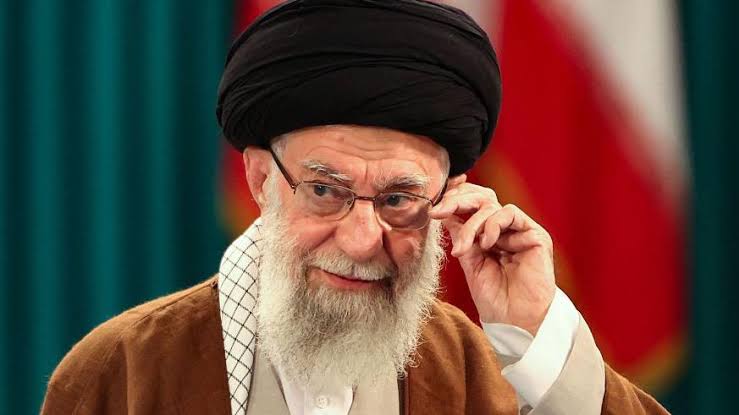
Iran is entering a defining political moment following the death of Ayatollah Ali Khamenei, who led the country since 1989. His passing marks only the second leadership transition since the 1979 Islamic Revolution.
State media reported a 40-day national mourning period and seven days of public holiday. The development sets in motion a constitutional process that will determine the next Supreme Leader of the Islamic Republic.
Interim Leadership Structure Announced
According to Iran’s official news agency IRNA, a three-member council will temporarily assume leadership responsibilities. The council comprises the country’s president, the head of the judiciary, and a jurist from the Guardian Council.
This interim arrangement will remain in place until a new Supreme Leader is formally appointed.
How Iran Selects Its Supreme Leader
Under Iran’s constitution, the 88-member Assembly of Experts is responsible for appointing, supervising, and—if necessary—dismissing the Supreme Leader. Members of the Assembly are Islamic scholars elected by public vote for eight-year terms.
However, candidates for the Assembly are vetted by the Guardian Council, whose members are directly or indirectly selected by the Supreme Leader. Analysts often describe this structure as a tightly interconnected system within Iran’s political framework.
When Ruhollah Khomeini died in 1989, Khamenei—then serving as president—was chosen as his successor. The current transition is expected to follow constitutional procedures but comes amid heightened regional and global scrutiny.
Leading Contenders to Replace Khamenei
A recent report by the Council on Foreign Relations identified several prominent figures frequently mentioned in succession discussions:
1. Hojjat-ol-Eslam Mohsen Qomi
A close adviser to Khamenei, Qomi is widely viewed as a trusted insider. Observers believe his longstanding association with the late leader could help ensure institutional continuity.
2. Ayatollah Alireza Arafi
A senior cleric and member of both the Guardian Council and the Assembly of Experts, Arafi also oversees Iran’s seminary system. His leadership could reinforce existing political structures.
3. Ayatollah Mohsen Araki
A senior member of the Assembly of Experts, Araki holds strong religious credentials and is frequently cited in discussions about succession.
4. Ayatollah Gholam Hossein Mohseni Ejei
Currently serving as Iran’s judiciary chief, Mohseni Ejei has extensive experience in legal and security institutions, positioning him as a potential candidate during a period of political uncertainty.
5. Ayatollah Hashem Hosseini Bushehri
The Friday prayer leader in Qom and a member of the Assembly of Experts, Bushehri is considered another possible contender.
Opposition Figures Call for Unity
Opposition leaders responded swiftly to the news.
Maryam Rajavi, leader of the National Council of Resistance of Iran (NCRI), urged Iranians to unite during what she described as a period of instability. The NCRI has proposed a six-month transitional administration plan aimed at organizing free elections and transferring sovereignty to citizens.
Exiled crown prince Reza Pahlavi also appealed for national unity, reiterating his longstanding call for political reform through alternative governance structures.
International Reactions
Former U.S. President Donald Trump announced Khamenei’s death on Truth Social, characterizing the development as a pivotal moment for the Iranian people. His remarks came amid heightened tensions following reported military strikes involving the United States and Israel.
Iranian media, citing the Associated Press, reported explosions near the office of the Supreme Leader prior to confirmation of his death.
What Comes Next for Iran?
The selection of Iran’s next Supreme Leader will significantly influence the country’s domestic governance, regional policies, and international relations. As the Assembly of Experts begins deliberations, attention remains focused on how Iran’s political institutions will manage this rare and consequential transition.
The coming weeks are expected to shape the trajectory of Iranian politics for years to come.