
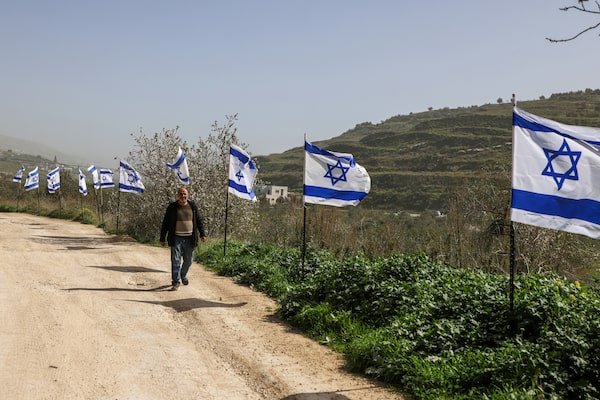
Amid continuing tensions in the West Bank, the government of Israel has approved a controversial bill that allows it to resume land title settlement processes in the occupied territory—an initiative Palestinians and rights groups describe as a major land consolidation move.
The proposal was submitted by Finance Minister Bezalel Smotrich, Justice Minister Yariv Levin, and Defence Minister Israel Katz. Israeli officials say the measure is part of broader efforts to formalize land registration and expand settlements in parts of the territory.
What Does the New Bill Allow?
Under the legislation, Israel will restart the “settlement of land title” process in the West Bank. This procedure, which was paused following the Six-Day War, requires individuals claiming ownership of land to submit official documentation proving their rights.
If claimants fail to produce the required documentation, the land may be designated as “state property” under Israeli law.
Critics argue that the process could disproportionately affect Palestinian residents. Many families in the region possess land deeds or tax records dating back decades, but formal registration has often been incomplete due to administrative barriers, costs, displacement during conflict, or lost documentation.
Focus on Area C
The bill primarily concerns Area C, a section of the West Bank under full Israeli military control. More than 300,000 Palestinians live in this area, alongside Israeli settlements. The land is vital for agriculture, grazing, housing, and future development.
According to Israeli anti-settlement advocacy group Peace Now, the measure could enable the state to assert control over a substantial portion of Area C if documentation requirements are not met.
Hagit Ofran, director of Peace Now’s Settlement Watch program, described the move as a “dramatic step” that could significantly alter land ownership patterns in the region.
Palestinian Response
The Palestinian Authority has condemned the decision, calling it a “grave escalation” and alleging it amounts to “de facto annexation” in violation of international law.
The militant group Hamas also criticised the move, describing it as an attempt to alter the demographic and territorial landscape of the occupied territory.
Israeli officials, however, maintain that the process is administrative and legal in nature, intended to clarify land ownership and formalize registration systems.
Why It Matters
The issue of land ownership in the West Bank remains one of the most sensitive and contentious aspects of the broader Israeli–Palestinian conflict. Any change in land designation or settlement expansion has significant political, legal, and humanitarian implications.
Observers note that the resumption of land registration procedures could intensify diplomatic tensions and draw scrutiny from the international community in the coming weeks.