The Pitabas Panda murder case may dominate headlines in Odisha, but internationally, the UN Security Council has dropped a bombshell by linking Jaish-e-Mohammed (JeM) to the deadly Red Fort blast in New Delhi.
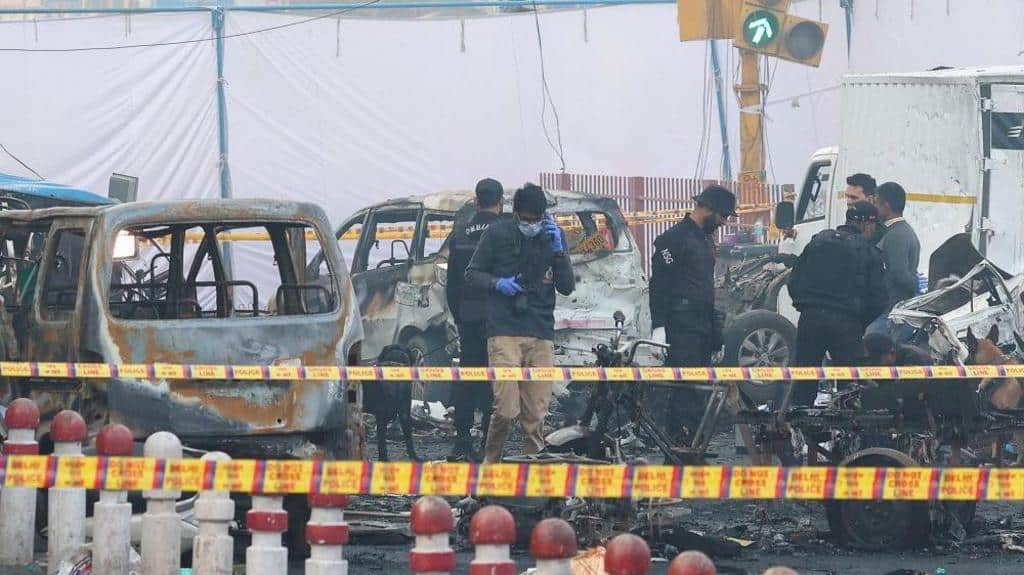
On November 9, a car explosion near the Red Fort killed 15 people and injured several others. The UNSC Sanctions Monitoring Team revealed that JeM claimed responsibility for a series of attacks, including the Red Fort blast. Investigators uncovered a sophisticated “white-collar” terror network allegedly tied to JeM.
The report also noted that JeM leader Masood Azhar announced the creation of a women-only wing, Jamaat ul-Muminat, aimed at supporting terrorist operations. While one member state suggested JeM was defunct, the UN continues to list it as an Al-Qaida-associated entity. JeM has carried out multiple attacks in India since its inception in 2000, targeting civilians, economic hubs, and military installations.
Masood Azhar remains under UN sanctions, including travel bans and asset freezes. The report further mentioned that three individuals linked to a Pahalgam attack in Jammu and Kashmir were killed last July.
Greek lawyer and South Asia specialist Dimitra Staikou, writing for EuropaWire, argued that Pakistani institutions provide political cover and indirect support to militant groups like JeM and Lashkar-e-Taiba. She claimed Pakistan manages extremist networks instead of dismantling them, allowing them to operate despite international sanctions.
This revelation has intensified global scrutiny of Pakistan’s counterterrorism policies. The Red Fort blast now stands as a stark reminder of the continuing threat posed by JeM and the challenges of holding state-backed extremist networks accountable.