
In a significant move to enhance public health, the Odisha Government has sanctioned 74 new Food Safety Officer (FSO) posts to strengthen food safety activities across urban areas.
This decision, announced today, builds on the existing framework of 73 FSOs, aiming to extend rigorous food safety measures to Notified Area Councils (NACs) and other urban local bodies.
Health and Family Welfare Minister Dr. Mukesh Mahaling emphasised the importance of this initiative, stating, “Ensuring safe and hygienic food is a priority for Odisha. By expanding our food safety network to urban areas, we are safeguarding the health of our citizens.” The new officers will be recruited through a rigorous selection process under the Staff Selection Commission, ensuring qualified professionals are deployed to monitor food safety standards.
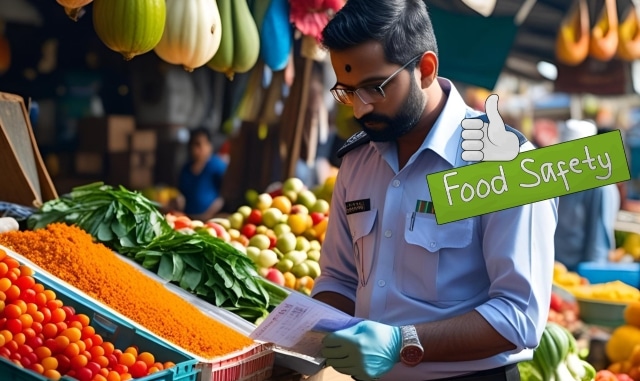
Currently, FSOs are stationed primarily in district headquarters and major cities, where they oversee food safety in ashram schools, hostels, and other institutions. They also conduct inspections of hotels and street food vending stalls while providing hygiene training to Food Business Operators (FBOs). The addition of 74 new posts will enable the state to cover more urban areas, addressing the unique challenges of densely populated regions.
Health Secretary Aswathy S. has directed the Commissioner of Food Safety to expedite the recruitment, training, and deployment of these officers. “Our goal is to bring all urban local bodies under the umbrella of food safety activities,” she said. This initiative aligns with the state’s commitment to reducing foodborne illnesses and ensuring compliance with the Food Safety and Standards Act, 2006.
The expansion is expected to enhance monitoring of food establishments, improve hygiene practices among vendors, and build public trust in urban food systems. With street food culture thriving in cities like Bhubaneswar, Cuttack, and Rourkela, the presence of dedicated FSOs will ensure safer dining experiences for residents and visitors alike.
This move positions Odisha as a leader in proactive food safety governance, setting a model for other states to follow. As the recruitment process begins, citizens can look forward to a safer and healthier urban food environment.