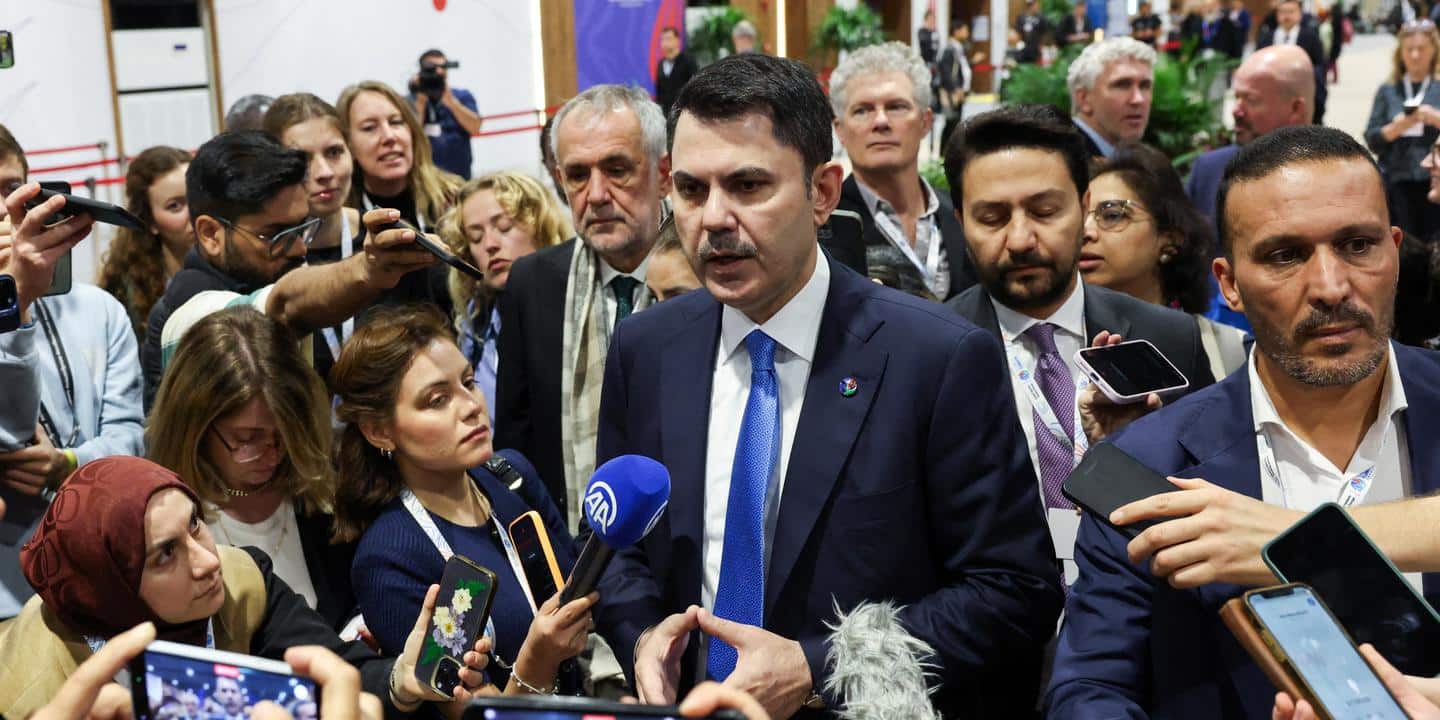
The COP31 United Nations climate summit in Antalya, Turkey, ended without a formal climate deal on Sunday, November 22, 2026, after negotiators from nearly 200 countries failed to reach consensus following more than two weeks of deadlocked talks—making it the longest-ever UN climate conference.
Addressing the closing plenary after negotiations spilled well past Friday’s scheduled deadline, COP31 President Murat Kurum confirmed that the proposed cover decision had not been adopted and announced that no fresh draft would be tabled, acknowledging that the summit had “missed an opportunity” despite exhaustive efforts to bridge differences.
Why the COP31 ‘Antalya Pact’ Collapsed
-
- Omission of Explicit Fossil Fuel Language: Put forward by co-hosts Turkey and Australia, the final draft of the proposed ‘Antalya pact’ avoided explicitly naming fossil fuels—making only an indirect reference to the 2023 agreement to transition away from them—while retaining language promoting carbon capture technology, which environmental groups criticise as costly and ineffective.
- EU & Small Island States Reject ‘Greenwashing’: The European Union and smaller island nations rejected the draft over the absence of explicit fossil fuel phase-out language, with the EU accusing oil-producing states of having “hijacked” the talks and warning it would not endorse a cover text that “green-washes” the primary driver of climate change.
- Irreconcilable Red Lines: COP31 negotiations chair Chris Bowen (Australia’s climate and energy minister) called the outcome “very disappointing,” explaining that while one bloc insisted on naming the transition away from fossil fuels, rival parties threatened to walk out if it was included—leaving negotiators deadlocked over both fossil fuels and climate finance.
“It is clear that there are parties in this hall who oppose this text. We recognise that there is no consensus on this document. Therefore, these decisions have not been adopted.”
— Murat Kurum, COP31 President (at the closing plenary in Antalya)
Divided Global Reactions at Closing Plenary
-
-
- European Pushback: EU delegation spokesperson and Irish minister Darragh O’Brien said the drafts failed to address the climate emergency, while Belgian climate minister Jean-Luc Crucke called the text “unacceptable,” adding that multilateralism required the “courage to say no.”
-
Contrasting Positions: By contrast, China stated it had chosen to accept the draft version, while nations including Canada and Fiji pushed to continue work on ocean protection and reforming the COP negotiation process itself.
-