Israel’s intelligence chief travelled to the United States on Friday, November 13, 2026, as Prime Minister Benjamin Netanyahu intensifies diplomatic and security pressure on US President Donald Trump to resume military strikes against Iran.
According to Axios, Mossad Director Roman Gofman is scheduled to hold talks with CIA Director John Ratcliffe in Washington before travelling to Miami to meet White House envoy Steve Witkoff.
Growing Rift Over Iran Strategy & Denied ‘Shouting Match’
The high-level intelligence visit follows sharpening public divergence between Washington and Jerusalem—alongside reports of a tense weekend phone call between Trump and Netanyahu:
-
- Netanyahu’s Office Denies Heated Call: Israeli media outlet Ynet reported that a weekend call focused on Iran devolved into a “shouting match from hell.” On Thursday, Netanyahu’s office dismissed the report as “fake news” and “complete nonsense,” though a senior Israeli official confirmed the call took place while insisting it was not difficult.
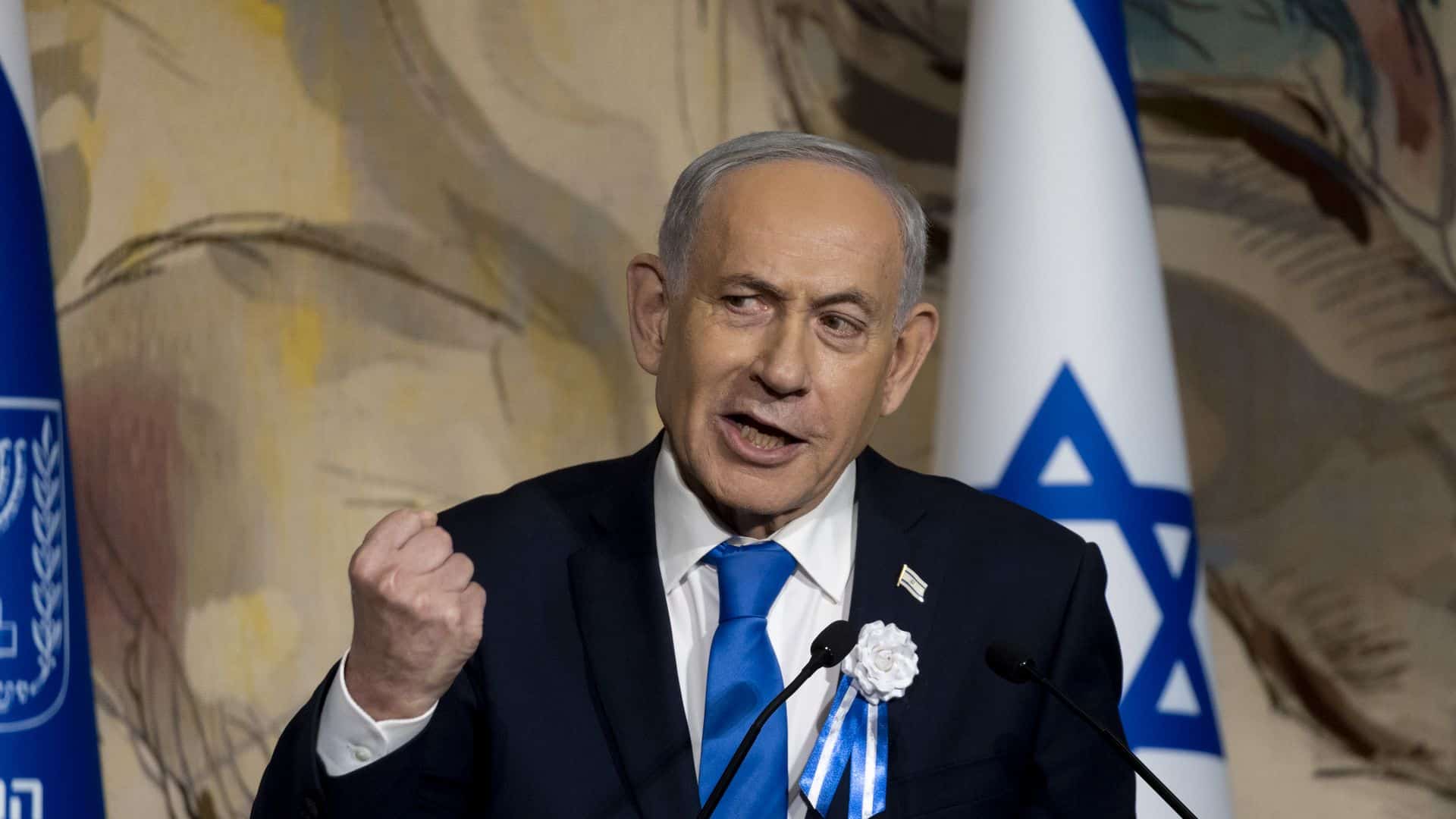
- Trump Signals ‘Status Quo’ vs. Netanyahu’s Regime-Change Push: Following talks with Qatari Prime Minister Sheikh Mohammed bin Abdulrahman bin Jassim Al Thani, Trump touted “positive momentum” in negotiations and signalled he is holding off on fresh military strikes, stating, “We’re just keeping it at the status quo.” In contrast, Netanyahu—who has reportedly been phoning Trump daily to urge renewed strikes—told the Knesset on Tuesday that Iran’s nuclear threat cannot be permanently eliminated without overthrowing the regime.
- Domestic Political Setbacks: Both leaders are navigating post-election headwinds. Netanyahu’s Likud-led bloc is projected to win 53 seats in the 120-seat Knesset—short of the 61-seat majority—while Trump’s Republican Party lost control of the US Congress in the November midterm elections.
”Iran isn’t giving up on its plan to destroy Israel. The only way to permanently remove this existential threat is to overthrow the ayatollah’s rule.”
— Benjamin Netanyahu, Prime Minister of Israel
Background of the West Asia Stalemate
The diplomatic friction comes months after joint US-Israeli strikes on Iran in February 2026 triggered retaliatory Iranian attacks on American bases in the Gulf, a shipping blockade in the Strait of Hormuz, and a US counter-blockade on Iranian ports. A June ceasefire framework subsequently collapsed over disagreements surrounding Hormuz navigation and Tehran’s nuclear program, leaving the conflict in a volatile stalemate.