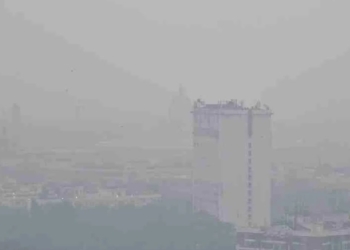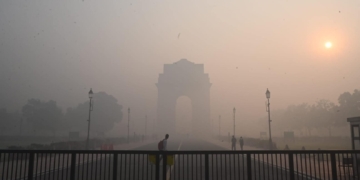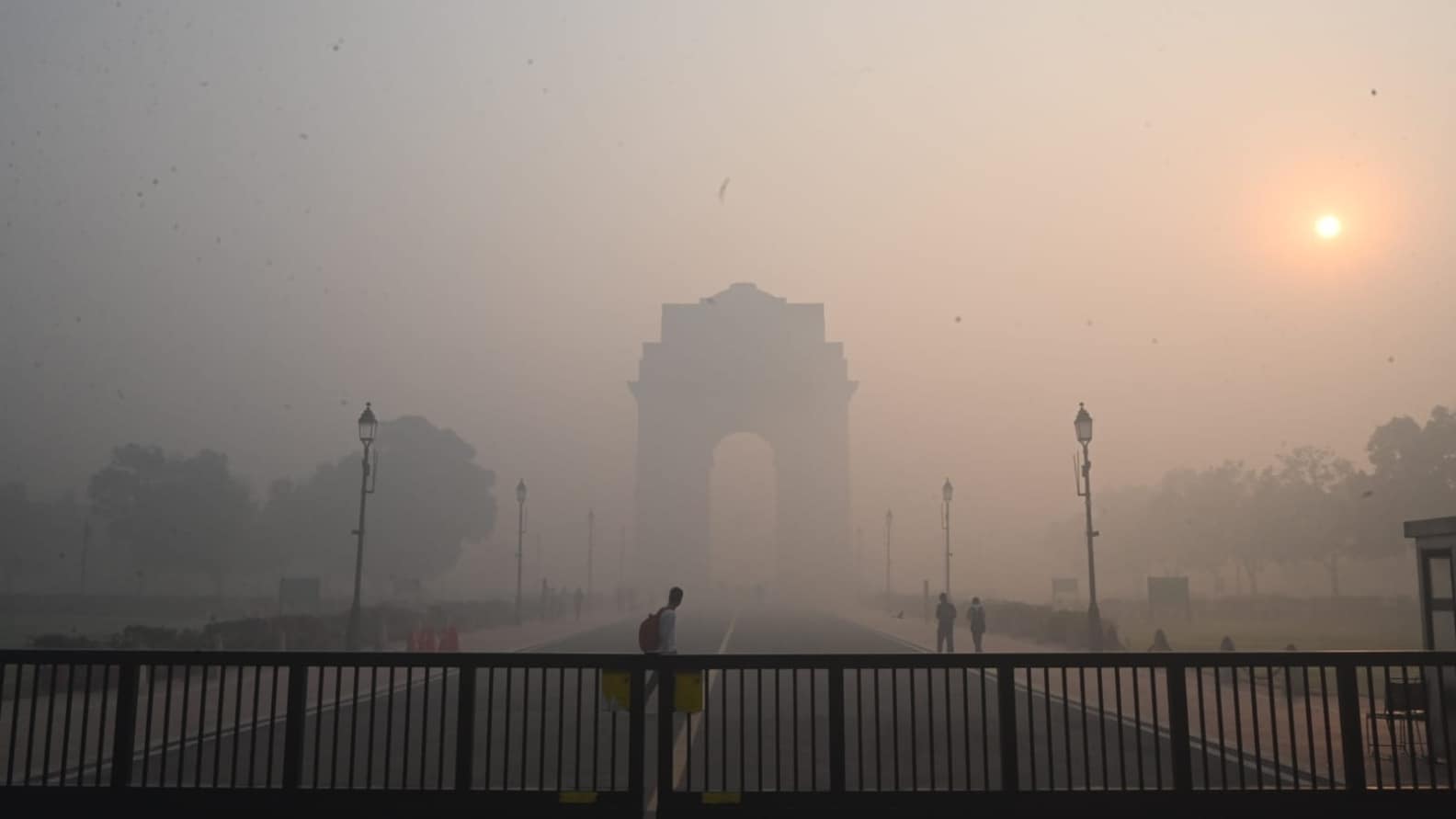
The national capital recorded its third worst post-Diwali air pollution levels since 2021, even as widespread data outages across official monitoring stations obscured the full extent of the environmental impact, according to an analysis of Central Pollution Control Board (CPCB) data.
More than 50% of Delhi’s air quality monitoring stations stopped transmitting continuous real-time data around midnight on Diwali night, right as pollutant concentrations were spiking across the region.
Station Outages and Severe AQI Readings
Despite widespread reporting blackouts during peak night hours, active monitoring stations registered severe pollution levels across urban pockets:
- High Concentration of Severe Stations: Over 80% of functioning CPCB stations reported PM2.5 levels in the Severe range (AQI > 400) from 10:00 PM on Diwali night through 6:00 AM on Monday morning.
- Pre-Outage Peak Data: By 9:00 PM on Diwali night—the final hour before station transmissions dropped sharply—61% of the 57 active reporting stations recorded AQI levels at or above 400.
- Six-Station Comparative Analysis: To establish a consistent multi-year comparison despite data gaps, an analysis of six long-term reporting stations (Alipur, Aya Nagar, Bawana, IHBAS-Dilshad Garden, Narela, and Punjabi Bagh) showed an average peak PM2.5 sub-index of 655 at 1:00 AM on Monday, making 2026 the third worst post-Diwali night behind 2021 (812) and 2025 (752).
Weather Factors Moderating Severe Spike
Meteorological data from the Palam METAR observatory indicates that relatively favourable atmospheric conditions prevented an even sharper deterioration in air quality:
- Warmer Temperatures: Nighttime temperatures across Delhi-NCR were recorded as the third to fourth warmest during a Diwali night since 2021, aiding atmospheric dispersion.
- Wind Dynamics: Moderate wind speeds recorded after midnight helped disperse heavy particulate matter released from unchecked firecracker usage, mitigating localized pollutant accumulation.