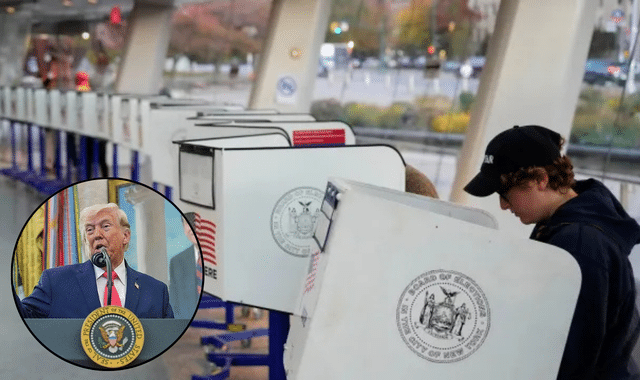
The 2026 US midterm elections will serve as a critical political crucible, determining the balance of power in Washington and shaping the final two years of President Donald Trump’s second term.
Voters nationwide will cast ballots for all 435 seats in the House of Representatives, 35 Senate seats—including special elections in Florida and Ohio—and 39 governorships across states and territories.
With Republicans holding narrow majorities in both chambers, Democrats need a net gain of just four seats in either the House or Senate to claim control. Historically, midterms present steep challenges for the sitting president’s party, which has lost House seats in 18 of the past 20 midterm cycles.
A legislative shift could curtail the administration’s policy trajectory while expanding congressional oversight of the executive branch.
Beyond federal races, thousands of state legislative seats, judicial contests, and local ballot initiatives will directly shape policy on education, taxation, and election administration. Voter choices are being heavily influenced by pressing domestic and international concerns.
Ongoing economic pressures over the cost of living, energy price spikes linked to the conflict with Iran and the closure of the Strait of Hormuz, border enforcement debates, and public pushback against the rapid expansion of AI data centres represent key flashpoints on the campaign trail. Ultimately, the outcomes will redefine the federal and state political landscapes for years to come.