

The United States Department of Labor has released a controversial new video highlighting alleged misuse of the H-1B visa program, claiming that the “American dream has been stolen from American people” due to foreign worker influx. The 52-second clip prominently features India, showing that Indian nationals hold 72% of all H-1B visas.
Video Depicts India’s Dominant Share in H-1B Program
The short film, posted Thursday on the US Department of Labor’s official X (formerly Twitter) account, shows a pie-chart of H-1B visa-holding countries, with India occupying the largest share.
“Many young Americans have had this dream stolen from them by foreign workers as politicians and bureaucrats allowed companies to abuse the H-1B visa,” the narration says.
The video ends with a bold slogan:
“Recapturing the American Dream for American People.”
‘Project Firewall’ and Trump’s Policy Push
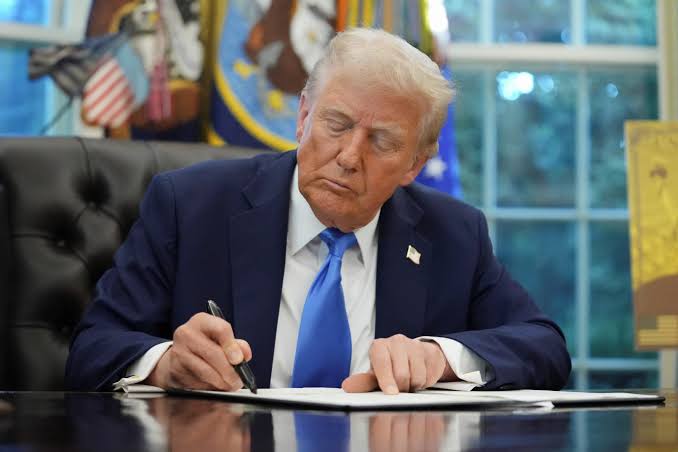
According to the voiceover, the campaign is part of President Donald Trump’s “Project Firewall”, which aims to hold companies accountable for alleged H-1B abuse and prioritize U.S. citizens in hiring.
In recent months, Trump has introduced several measures tightening work visa rules — a move his administration says is intended to protect domestic employment and ensure fair opportunities for Americans.
$100,000 H-1B Visa Fee Triggers Outcry
On September 19, 2025, Trump signed a proclamation imposing a one-time $100,000 fee on new H-1B visa petitions, effective September 21. The announcement sparked widespread concern, particularly among the Indian tech community and U.S.-based Indian professionals, who make up the largest group of H-1B holders.
While the move led to confusion and fear of job losses, the White House later clarified that the new fee is not annual and does not apply to current visa holders.
India’s Role in U.S. Non-Immigrant Workforce
According to the Office of Homeland Security (FY2024 data), India was the top source country for all non-immigrant workers in the U.S., contributing 33% of the total population.
The H-1B visa program, designed for specialized professionals in fields such as IT, engineering, medicine, and science, allows foreign talent to work in the U.S. for three years, renewable up to six years.
The Trump administration argues that the higher fees will filter applicants, ensuring that only “highly skilled foreign professionals who cannot be replaced by qualified Americans” are hired.
Global and Indian Reaction
Policy experts, tech industry leaders, and Indian diaspora organizations have expressed concern over the tone and timing of the campaign. Many see it as part of a broader anti-immigration push that could affect the global mobility of skilled Indian workers.
“Such rhetoric risks undermining decades of U.S.-India tech collaboration,” said a Washington-based analyst. “Indian professionals have been vital to America’s innovation ecosystem.”