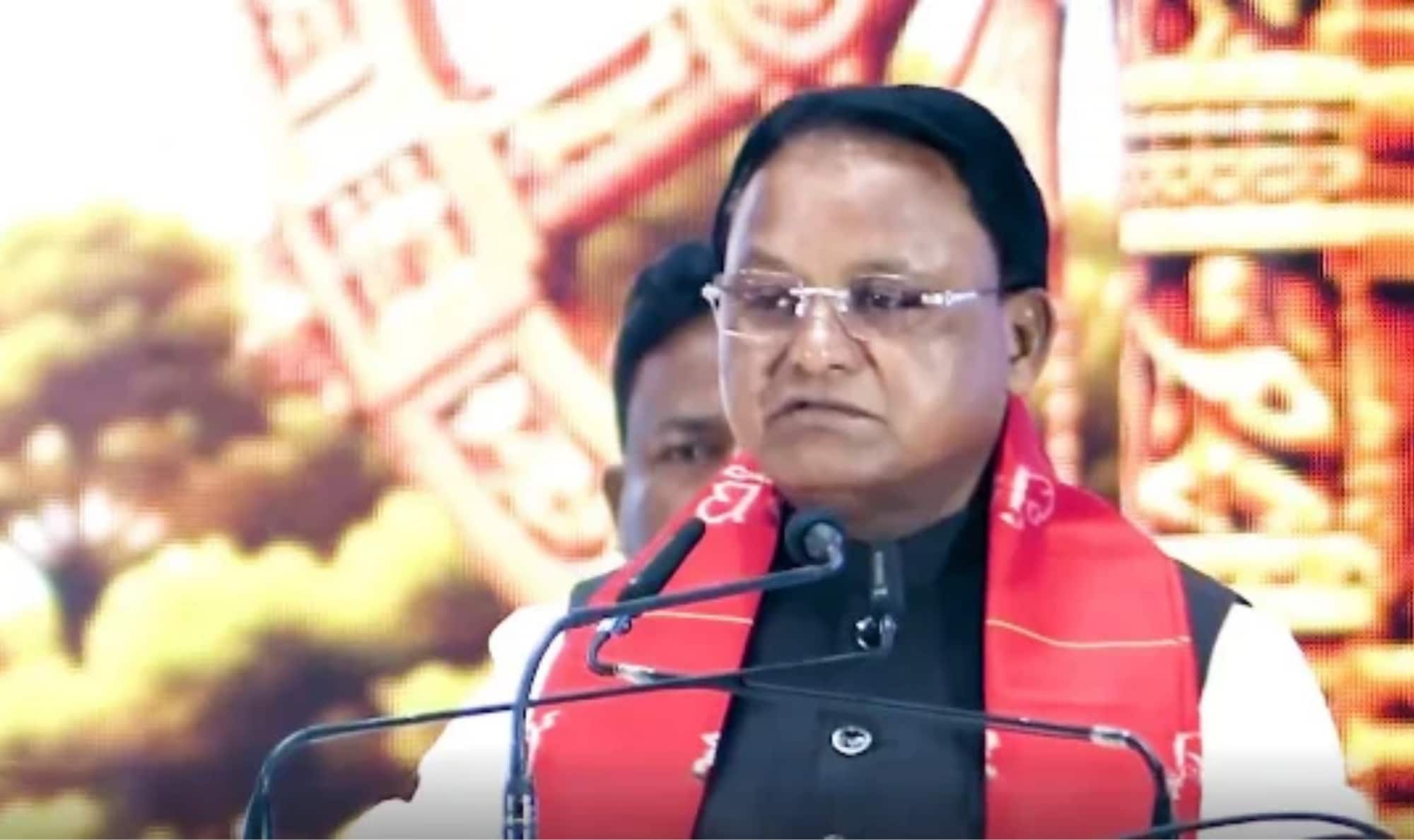
To strengthen legislative effectiveness ahead of the Winter Session, the Office of the Chief Minister of Odisha organised the second orientation programme for members of the 17th Odisha Legislative Assembly on Monday.
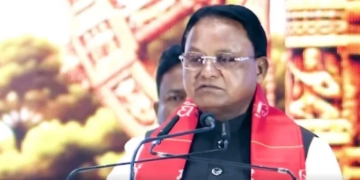
Chief Minister Mohan Charan Majhi described the Odisha Legislative Assembly as more than a law-making institution — it is a symbol of the hopes, aspirations and trust of the people of Odisha. On behalf of the state government and the state’s residents, he welcomed the Vice President and called on all members to uphold the dignity of the House and work together beyond party lines for Odisha’s greater interest. He recalled that in November 2025 the President of India had, for the first time in the Assembly’s history, guided all MLAs, and said the Vice President’s long experience in public service, commitment to parliamentary democracy and understanding of constitutional processes would both guide and inspire. He thanked Speaker Surama Padhi for organising both the 2024 Gyan Sanskar programme and this second orientation.
The Chief Minister underlined that the primary and most important duty of an MLA is to prepare bills and laws. Beyond that, he advised active participation in the Assembly’s standing committees, which function above party lines, so that members can offer their views to the government. He expressed confidence that the programme would help conduct the upcoming Winter Session with peace and discipline.
ବିଧାନସଭା ହେଉଛି ଗଣତନ୍ତ୍ରର ମନ୍ଦିର ଏବଂ ଜନସାଧାରଣଙ୍କ ଆଶା, ଆକାଂକ୍ଷା ଓ ବିଶ୍ୱାସର ପ୍ରତୀକ। ଶୀତକାଳୀନ ଅଧିବେଶନକୁ ଶାନ୍ତି, ଶୃଙ୍ଖଳା ଓ ସୌହାର୍ଦ୍ଦ୍ୟପୂର୍ଣ୍ଣ ପରିବେଶରେ ପରିଚାଳନା କରିବା ସହ ଜନସାଧାରଣଙ୍କ ସମସ୍ୟା ଓ ସ୍ୱାର୍ଥ ସମ୍ବଳିତ ପ୍ରସଙ୍ଗଗୁଡ଼ିକରେ ସାର୍ଥକ ଆଲୋଚନା ଉପରେ ଗୁରୁତ୍ୱ ଦିଆଯାଉଛି। ଏହା ଗଣତାନ୍ତ୍ରିକ ମୂଲ୍ୟବୋଧକୁ ସୁଦୃଢ଼ କରିବା ସହ ଜନଆସ୍ଥା ଓ ଉତ୍ତରଦାୟିତ୍ୱକୁ ଆହୁରି ମଜବୁତ କରିବ।
The Legislative Assembly is the temple of democracy and a symbol of people’s hopes, aspirations and trust. Emphasis is being laid on ensuring a peaceful and orderly Winter Session, with constructive discussions on public issues to strengthen democratic values and accountability.
— CMO Odisha (@CMO_Odisha) November 16, 2026
Vice President of India C.P. Radhakrishnan graced the event as Chief Guest, guiding MLAs on House procedures, rules and the legislative process, while Governor Shri Brajmohan Ram and Chief Minister Mohan Charan Majhi joined in urging constructive, bipartisan work for the state’s larger interests.
The programme builds on the 2024 “Gyan Sanskar” initiative that focused on capacity building for newly elected members. With the Winter Session set to begin shortly (around November 18), the timing underscores the emphasis on orderly, informed proceedings.
Vice President Radhakrishnan told the gathering that Odisha’s progress is the country’s progress and that healthy, constructive debate strengthens democracy. Drawing from his own experience before entering the Rajya Sabha, he stressed that every MLA must have clear knowledge of the Assembly’s working, rules and legislative procedures before entering the House. In the digital age, he said, legislators should combine experience with new skills, particularly in artificial intelligence. He welcomed the launch of the Digital House in the Odisha Assembly as a useful step for all members.
Governor Brajmohan Ram welcomed the Vice President to the sacred land of Mahaprabhu Jagannath and congratulated Speaker Surama Padhy for advancing the tradition of continuous learning for MLAs after the 2024 programme. He noted that a public mandate gives representatives both trust and responsibility, which knowledge, discipline and sensitivity transform into meaningful public service. As membership of the House symbolises public trust and constitutional duty, he said MLAs must raise public-interest issues in Question Hour, deliberate on bills, review government policies and act promptly on standing committee recommendations. The Constitution remains the foundation of India’s democracy.
Speaker Smt. Surama Padhy said the core purpose of the training is to make elected representatives more skilled and aware of parliamentary rules, legislative processes and constitutional responsibilities. In a healthy democracy, both the ruling party and the opposition have indispensable constructive roles. An MLA is not merely the representative of a constituency but a carrier of the people’s hopes and aspirations and a key stakeholder in the state’s policy-making process. She also stressed the need to combine Assembly experience with administrative responsibility for effective performance.
Deputy Speaker Bhabani Shankar Bhoi, Deputy Chief Ministers Pravati Parida and Kanak Vardhan Singh Deo, members of the Council of Ministers, and all MLAs attended the programme.
The orientation reflects a continuing focus on equipping the 17th Assembly — which includes a large number of first-time members — with the knowledge and tools needed for effective law-making, oversight and digital-era governance, while reinforcing the call for cross-party cooperation in service of Odisha’s development.