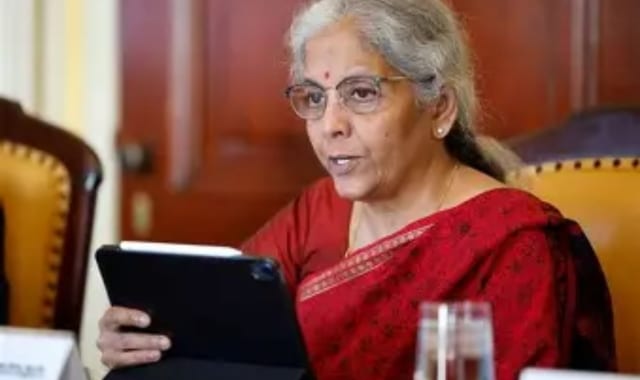
Finance Minister Nirmala Sitharaman tabled the Economic Survey in Parliament on Day 2 of the 2026 Budget Session, ahead of the Union Budget presentation on February 1.
The survey projected India’s growth rate between 6.8% and 7.2% for the current year, noting that 2025‑26 posed significant challenges, but the economy managed to withstand global headwinds.
Prime Minister Narendra Modi addressed the media before the session, highlighting the India‑EU free trade agreement as a reform‑driven step toward expanding opportunities for farmers, fishermen, youth, and the services sector.
The Economic Survey, prepared by Chief Economic Advisor V. Anantha Nageswaran, pointed to GST reforms as a major driver of revenue growth and faster development. It also flagged concerns over rupee depreciation, while noting that inflation remained under control and agriculture output improved due to favourable monsoon conditions.
President Droupadi Murmu opened the session on Wednesday with a joint address, outlining the government’s vision for social justice, inclusive growth, and a developed India. Political differences surfaced as opposition parties pressed for debates on pending bills, but Parliamentary Affairs Minister Kiren Rijiju clarified that those matters had already been addressed in the winter session.
With the Economic Survey now tabled, the focus shifts to Sitharaman’s ninth consecutive budget—a record for any finance minister. Lawmakers are expected to engage in sharp debates over policy direction, investment priorities, and strategies to sustain growth amid global uncertainty.