
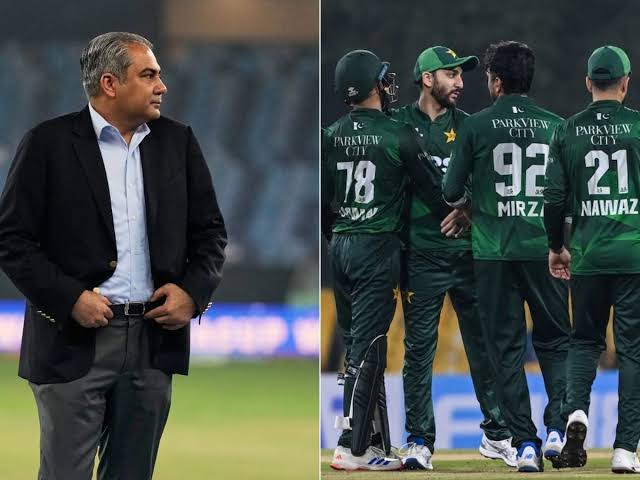
Pakistan is set to announce its participation decision for the T20 World Cup 2026 within the next 24-72 hours, with the tournament scheduled to begin on February 7 and conclude on March 8. The high-profile India-Pakistan clash is slated for February 15 in Colombo.
The Pakistan Cricket Board (PCB), chaired by Mohsin Naqvi, faces a decision that extends beyond a simple yes or no. Each available option carries distinct implications—both on the field and commercially.
Option 1: Full Participation
Participating in the tournament as scheduled offers Pakistan clarity and control. This approach avoids contractual ambiguities, emergency substitutions, or off-field controversies. It also ensures compliance with commercial obligations and keeps the team in contention on merit. While the optics may require careful public communication after prior political statements, the overall benefit lies in stability and predictability.
Option 2: Symbolic Protest While Playing
For those seeking to express political or symbolic dissent without disrupting the tournament, a measured protest can communicate a stance while maintaining participation. This method minimizes disruption for the International Cricket Council (ICC) and broadcasters, keeping fixtures intact and preserving commercial arrangements.
Option 3: Boycott India Match
A selective boycott of the India-Pakistan game presents high risks. On the field, Pakistan would forfeit crucial points, affecting group dynamics and Net Run Rate. Off the field, legal and financial consequences could be severe, with potential broadcaster penalties estimated around $38 million. This scenario also sets a challenging precedent for ICC tournaments, where teams might pick and choose matches.
Option 4: Complete Withdrawal
Withdrawing entirely from the T20 World Cup creates clarity but carries significant long-term consequences. The ICC would replace Pakistan rather than reschedule the tournament, as seen previously when Scotland replaced Bangladesh. Beyond reputational and commercial impacts, withdrawing would deprive players of competing on cricket’s biggest stage and disrupt marquee fixtures vital for broadcasting and sponsorship revenue.
Likely Endgame
To maximize leverage while minimizing risks, the most rational approach for Pakistan is to participate fully, including the India match, while exploring non-disruptive ways to express dissent. With the tournament starting on February 7, time is limited for complex negotiations or last-minute changes.
Pakistan’s final decision will influence not only the team’s campaign but also the broader commercial and diplomatic dynamics surrounding the T20 World Cup 2026.