

The kharif paddy procurement season in Odisha has entered a crisis point, with farmers staging a 12-hour bandh in Sambalpur on December 19.
Organised by Paschim Odisha Krushak Sangathan Samanwaya Samiti (POKSSS), the shutdown paralysed daily life as shops, schools, and businesses closed. Over 50 organisations, including the Biju Janata Dal (BJD), supported the protest, which remained peaceful.
Farmers blamed delays and irregularities in procurement tokens, mandatory for selling paddy at government mandis under the Minimum Support Price (MSP) scheme. Despite procurement starting on November 28, thousands waited for tokens. Paddy-laden vehicles stood stranded, crops deteriorated, and transport costs mounted.
In Sambalpur, 65,143 farmers registered this season, up from 60,359 last year. Yet many received only one token, insufficient for their harvest. Protesters alleged 8,000–10,000 tokens were missing from mobile apps. Earlier, farmers blocked roads and even dumped unsold paddy bags at the collector’s office. Negotiations later led to token distribution for 11,000 farmers.
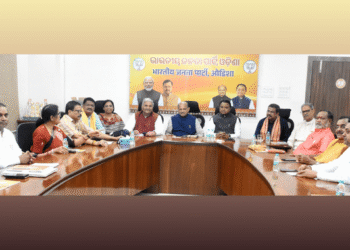
BJD leaders, including Rohit Pujari, joined the bandh, accusing the BJP-led government of “anti-farmer policies.” Pujari cited chaotic token distribution, delayed mandi operations, and poor coordination with millers. Senior leader Sanjay Das Burma demanded urgent intervention.
Food Supplies Minister Krushna Chandra Patra insisted procurement was smooth statewide, citing reforms like AI-based grain analysers, mobile cleaning machines, and extended registration. By December 18, Sambalpur led procurement with 20,809 farmers covered and 9.61 lakh quintals lifted.
POKSSS convener Ashok Pradhan called the bandh a “final warning,” threatening wider agitations if systemic issues persist. Farmers demanded glitch-free online systems and better transport facilities.