Heavy rainfall triggered by successive low-pressure systems and depressions battered Odisha in July, August and September this year, producing four major and medium-scale flood events that affected nearly every district.
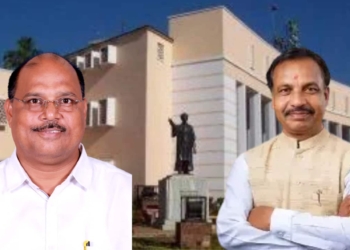
Revenue and Disaster Management Minister Suresh Pujari, replying to a question by MLA Dhruba Charan Sahu in the Assembly, presented a detailed picture of the damage and the government’s next steps.
Southern districts — Malkangiri, Koraput, Nabarangpur, Gajapati and Ganjam — remained waterlogged for three to four days. The situation was far more difficult in northern Odisha, where Jajpur, Bhadrak, Mayurbhanj, Baleshwar and Kendrapada stayed inundated for more than 15 days.
The floods left a heavy trail of destruction:
- 21,649 houses damaged or destroyed
- 1,52,453 hectares of standing crops lost
- 2,100 hectares of farmland buried under sand
- 489 hectares of fish ponds ruined
Minister Pujari categorically stated that there was no human error behind the floods. He said the state government is now moving towards scientific and long-term solutions. In particular, the Odisha State Disaster Management Authority (OSDMA) will seek technical assistance from IIT Roorkee to address the recurring flood and waterlogging problems in Baleshwar district. The proposal submitted by IIT Roorkee is currently under active consideration. Once the study is completed, similar measures will be extended to other flood-prone districts across the state.
The minister’s statement comes as a clear acknowledgement of the scale of this year’s monsoon damage and signals a shift towards permanent engineering interventions rather than repeated temporary relief.