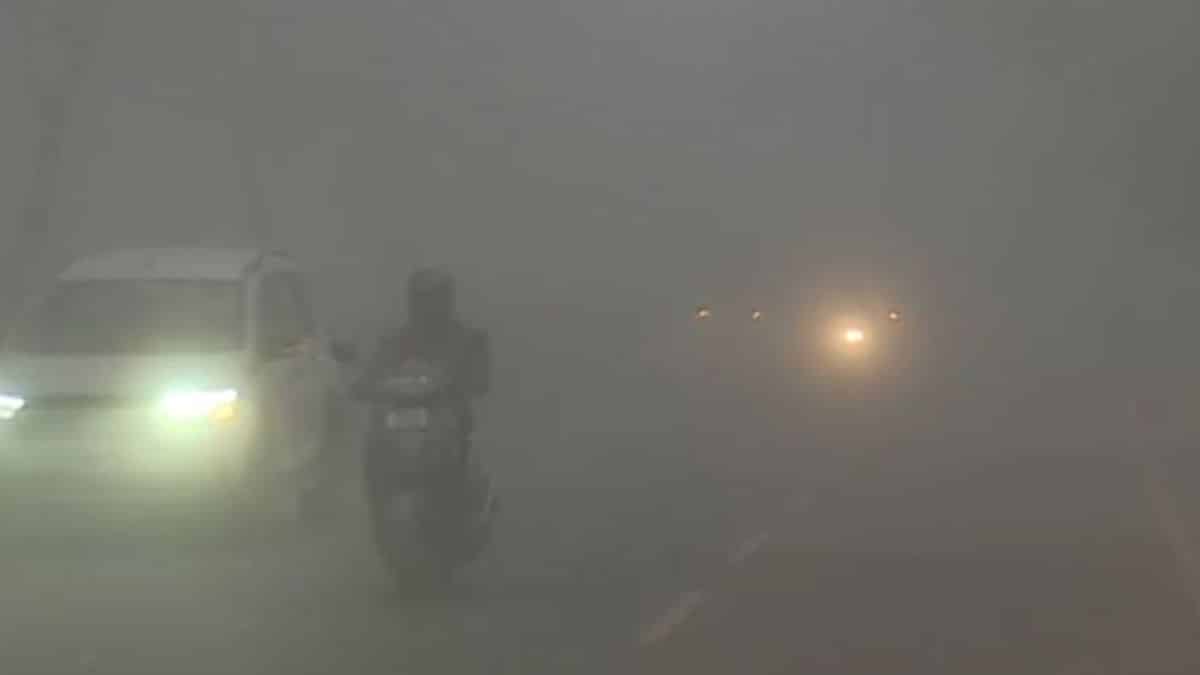
The intense cold wave gripping Odisha continues unabated, with night temperatures plunging across the state. In the last 24 hours, a cold wave was observed in Angul district, while G. Udayagiri recorded the state’s lowest temperature at 5.2°C.
According to the Regional Meteorological Centre, no significant change is expected over the next two days. Dry weather and north-westerly winds will keep the cold spell intact, with light fog likely in some areas over the next three days, Regional Director Manorama Mohanty said.
Besides the hilly G. Udayagiri, Rourkela in the plains recorded the second-lowest temperature at 6.6°C. The highest daytime temperature was 30.4°C in Paralakhemundi. In the Twin Cities, Bhubaneswar saw a daytime high of 28.9°C and night low of 11.8°C, while Cuttack recorded 26.4°C during the day and 10.4°C at night.
Shallow fog reduced visibility to between 500 and 1,000 metres in Bhabanipatna. Mohanty attributed the sharp drop in night temperatures to persistent dry weather and north-westerly winds, which have pushed readings below normal in most places.
Eleven cities across Odisha recorded night temperatures below 10°C in the last 24 hours. The cold wave is likely to continue for another two days, but from Friday night onwards, night temperatures are expected to rise 2–4°C above normal. The Meteorological Centre has issued a yellow warning for cold wave conditions in eight districts on Thursday.
In a separate development, India Meteorological Department (IMD) Director General Mrutyunjay Mohapatra announced that weather forecasting in Odisha will become significantly more accurate with new Doppler radars. The radar in Sambalpur is scheduled to be operational by March 2026, followed by installations in Balasore and Bhubaneswar by the end of 2026 and in Puri by 2027.
These radars will enhance early detection of cyclones, improve rainfall predictions, and help minimise losses from natural disasters in the cyclone-prone state. Mohapatra highlighted how existing IMD radars played a crucial role during Cyclone Fani, enabling the safe evacuation of lakhs of people.