

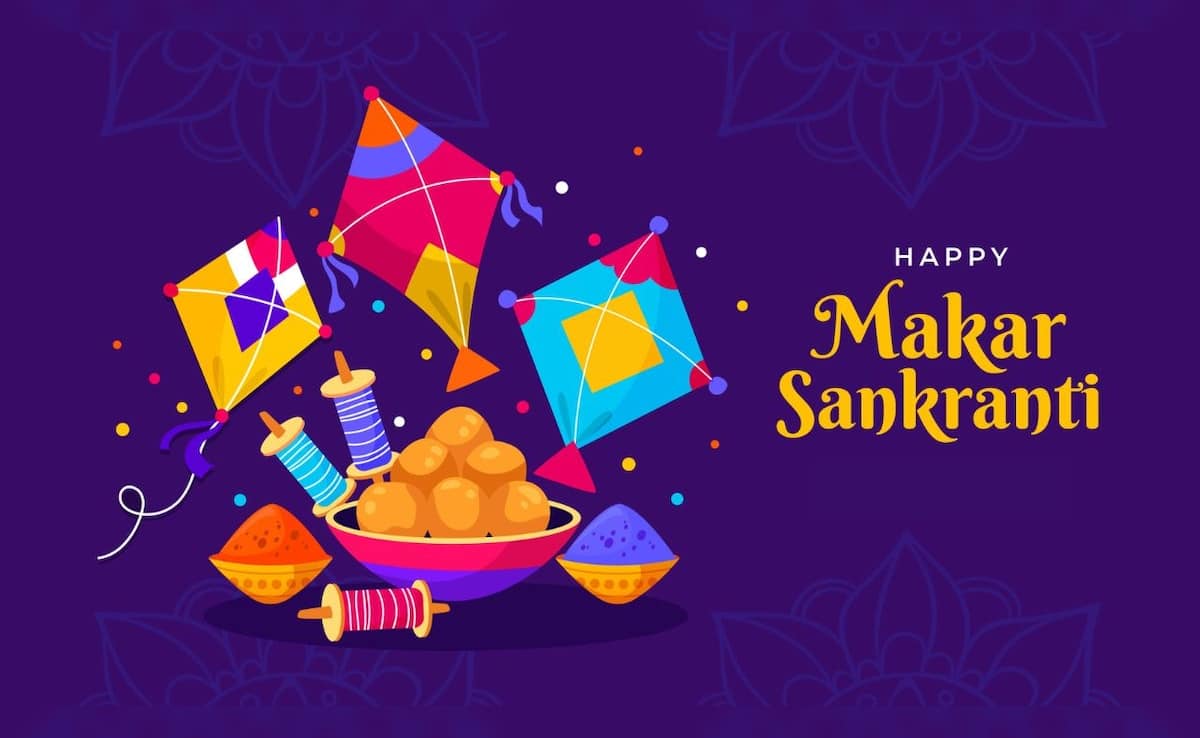
Makar Sankranti marks the Sun’s transition into a new phase, symbolising warmth, harvest, gratitude and new beginnings across India.
Makar Sankranti is one of India’s most significant festivals as it follows the solar calendar, which keeps its date almost constant every year. The festival represents a major seasonal shift — the gradual end of winter and the arrival of longer, brighter days.
Celebrated across the country under different names such as Pongal in South India, Magh Bihu in Assam, and Uttarayan in Gujarat, Makar Sankranti beautifully connects spirituality, agriculture and cultural traditions.
Beyond kite flying and festive sweets, the festival carries a deeper message of moving from darkness to light, both in nature and in life.
When Is Makar Sankranti in 2026?
In 2026, Makar Sankranti will be observed on:
Wednesday, January 14, 2026
Unlike many Hindu festivals based on the lunar calendar, Makar Sankranti depends on the Sun’s movement, making it one of the most predictable festivals in the Hindu calendar.
Auspicious Timings (Muhurat) for Makar Sankranti 2026
According to Drik Panchang, the following timings are considered highly auspicious for rituals, charity and holy baths:
-
Sankranti Moment: 03:13 PM
-
Punya Kala: 03:13 PM to 06:18 PM
-
Maha Punya Kala: 03:13 PM to 05:04 PM
The Maha Punya Kala is regarded as the most sacred period for taking holy dips and donating food, clothes and essential items.
History and Mythological Significance of Makar Sankranti
As per traditional belief, Makar Sankranti marks the day when Lord Surya (Sun God) visits the home of his son Shani Deva. Despite their differences, this meeting symbolises forgiveness, harmony and healing relationships.
The festival also holds importance in the Mahabharata. It is believed that Bhishma Pitamah chose to leave his mortal body during Uttarayan, considering it an auspicious time for attaining salvation.
Why Is Makar Sankranti So Important?
From an astronomical perspective, the festival marks the Sun’s entry into Capricorn (Makara Rashi), beginning the six-month auspicious phase known as Uttarayan.
Spiritually, it represents positivity, hope and progress. Agriculturally, it celebrates the first harvest of the year, expressing gratitude to the Earth and the Sun for nourishment and abundance.
How Is Makar Sankranti Celebrated Across India?
The day typically begins with a holy bath in rivers such as the Ganga or Yamuna, believed to cleanse past sins. Devotees offer prayers to the Sun God and exchange Til-Gul (sesame seeds and jaggery), symbolising sweetness and unity.
Homes are filled with festive dishes like khichdi, while skies across many regions light up with colourful kites — a joyful celebration of freedom, warmth and renewal.
Why Do We Celebrate Makar Sankranti?
Makar Sankranti honours the life-giving energy of the Sun and the natural rhythm of seasons. It encourages people to embrace change, practise gratitude, share happiness and move forward with optimism and togetherness.